Home accidents account for over half of all preventable injuries each year in the US, and 30% of them are due to slips and falls. Your home should be a sanctuary where you feel safe and relaxed, but one splash of water in the wrong place can send you to the ER.
Smooth surfaces, hard edges, pointed corners, and everything in between can be dangerous, especially for elderly people or guests who don’t know the layout of the house. But this doesn’t mean you have to baby-proof your home and live in fear of falling for the rest of your life.
You just need a safety-oriented design strategy that prevents (most) accidents without taking anything away from the beauty of the place. And here are a few ideas to get you started.
Simple Upgrades to Prevent Accidents
First, it’s important to understand that not all injuries can be prevented. Some freak accidents happen even when you’ve taken all the right precautions, but they will be fewer and (hopefully) less damaging.
And if the worst has happened and a guest or someone else has gotten injured on your property, you need an additional safety measure: a good personal injury lawyer. Legal specialists, like the team at West Coast Trial Lawyers (westcoasttriallawyers.com), can offer advice on how to protect your interests without minimizing the pain and suffering of the injured party.
But before you get there, here are a few ways to make sure no one hurts their hip because they slipped in your house or tripped over something in your garden:
Indoor Flooring and Stairs
Unsecured rugs and slippery stair treads account for a massive percentage of home falls. Yet, bulky carpet runners and heavy rubber mats look appealing, especially on beautiful hardwood floors.
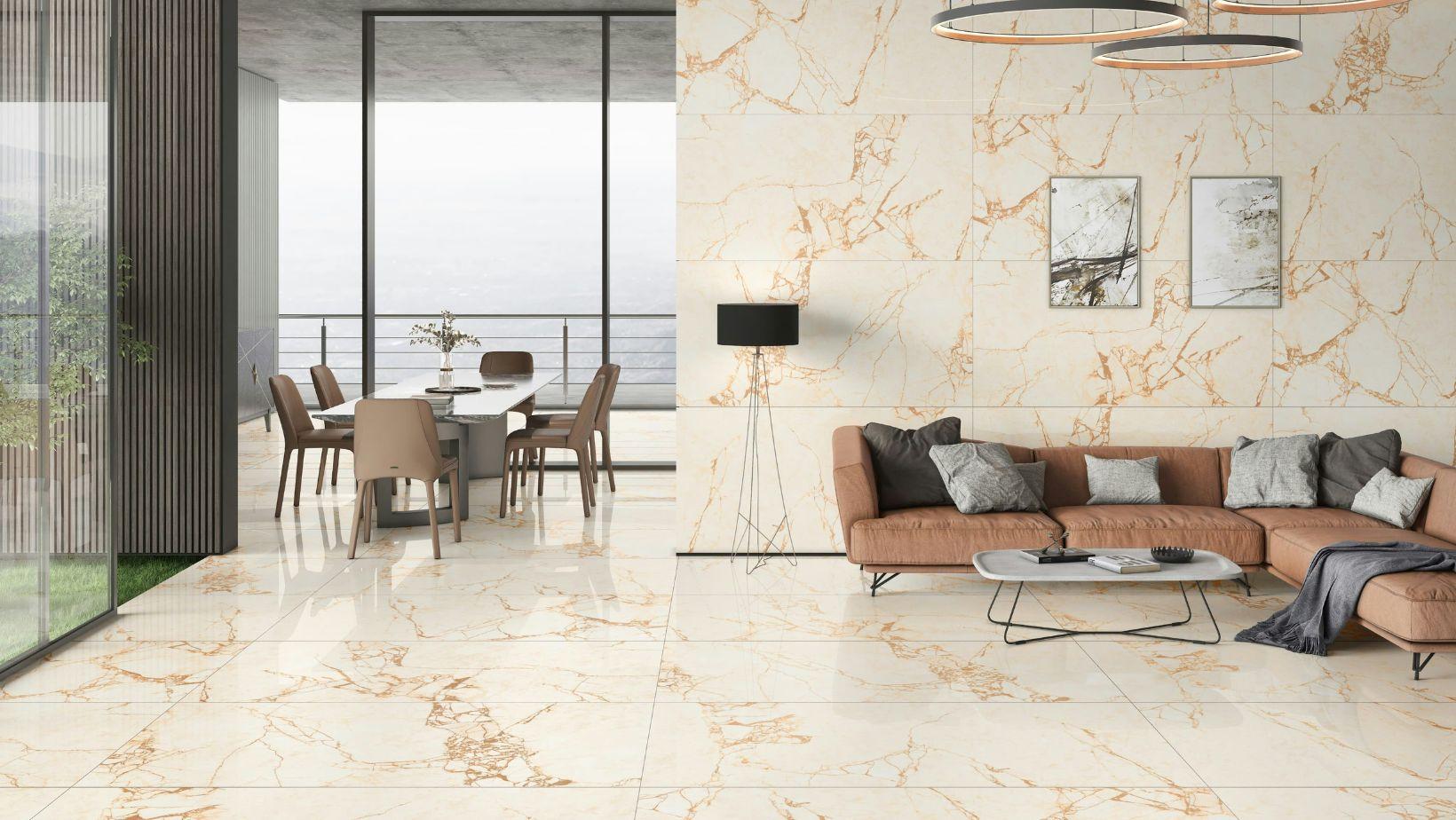
To avoid having to hide that beautiful floor under ugly carpets, use soft-textured Polyethylene Vinyl Acetate (PEVA) adhesive strips. These provide non-abrasive traction on hardwood, tile, or marble, and no one will notice them.
For slippery area rugs, use non-slip rug pads made of natural rubber or felt. They’ll keep everything anchored to the floor without adding visible height or bunched-up edges. Also, high-gloss floor wax creates a beautifully reflexive surface, while reducing friction and hiding small scratches.
Bathroom and Wet Zones
Bathrooms are statistically the most dangerous room in the house due to high moisture levels, smooth porcelain, and hard impact surfaces. Also, any level difference on the floor (like when you’re getting in a walk-in shower) is a trip hazard waiting to happen.
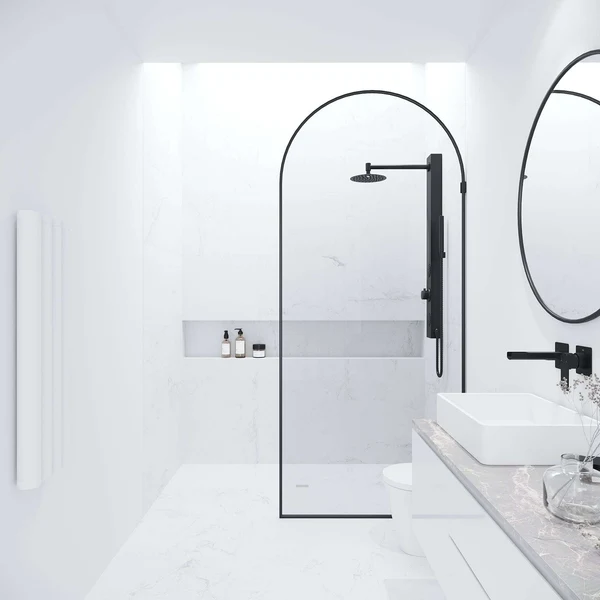
One very elegant way to reduce the risk of accidents in your bathroom is to install an open shower at the same level as the floor. They look amazing and are quite trendy right now. Also, some customized ADA-compliant grab bars for your bathtub and toilet area will improve both safety and design. And they can double as minimalist towel racks, toilet paper holders, or shower shelves.
Outdoor Pathways and Exterior Steps
Your garden, patio, and access pathways are also your responsibility. Uneven terrain, moisture, algae, and changing light conditions can lead to some nasty accidents, especially for those who don’t know the area (like delivery drivers, postal workers, etc.).
To reduce accidents, always keep the access path clear of snow, leaves, dirt, and anything else. Keep your grass and shrubberies trimmed, and use clear textured spray coatings on the more frequented areas like the steps leading to the front entry.
Safety First
While interior design is important to create a home that helps you relax and feel good, safety must come first. The good news is that it’s easy to find efficient solutions that don’t clash with your aesthetic preferences.