

Most people who quit content creation don’t quit because of the algorithm. They quit because of the third weekend in a row spent staring at an editing timeline for a clip that took ninety minutes to produce and forty seconds to watch. Between not owning a camera, not knowing an editing suite and not having a budget to outsource either, the gap between having ideas and publishing them has stayed stubbornly wide. What’s shifted in the past two years is that the production layer — the part requiring skills nobody signed up to learn — has become largely optional.
Content Production Split Away From Content Skill
For most of the social era, the two were welded together. If you couldn’t cut footage, you couldn’t publish video, regardless of how good your instincts were.
That welding is coming apart, and the consequences are structural rather than cosmetic. Creators who spent their limited hours on software are redirecting those hours towards research, format testing and community — the parts that actually compound. Meanwhile the barrier that previously protected established accounts, namely production quality, has thinned considerably.
The obvious objection is that easier production means more noise. It does. But noise was never the differentiator; the accounts struggling today are mostly struggling because they post irregularly, not because their footage lacks polish.
Why Creative Reworking Outperforms Original Filming for Beginners
New creators are usually advised to film original content, and for a certain kind of channel that’s right. For most, it’s the slowest possible starting point — it requires a location, decent light, on-camera confidence and several takes.
Working from existing material sidesteps all four. This is the practical appeal of Pollo AI’s AI Face Swap Video Online for creators without equipment: it can place a chosen face into almost any clip type you already have access to, from animated sequences to short films to looping GIFs, and the replacement settles into the shot naturally, matching the original’s lighting behaviour and facial movement rather than sitting on top of it. There’s nothing to install, the interface assumes no editing knowledge, and uploaded files aren’t exposed publicly — which matters when the face in question is your own.
A Zero-Experience Workflow for Your First Ten Videos
Choose One Recurring Format Before Anything Else
Beginners tend to make ten unrelated videos and conclude that none of them worked. A single repeatable format — the same setup, the same joke structure, the same length — gives an audience a reason to return and gives you a template that gets faster each time. Decide the format first and let the topics vary underneath it.
Assemble a Small, Reusable Source Library
Gather five or six short clips you’re legally comfortable working with: your own footage, public domain material, or content from collaborators who’ve agreed. Keep them in one folder with sensible file names. Most beginners lose more time hunting for a clip they remember than they ever spend generating one, and a tidy library is what makes seamless face swap video for creators a five-minute job rather than a forty-minute one.
Produce Three Versions, Publish the Best
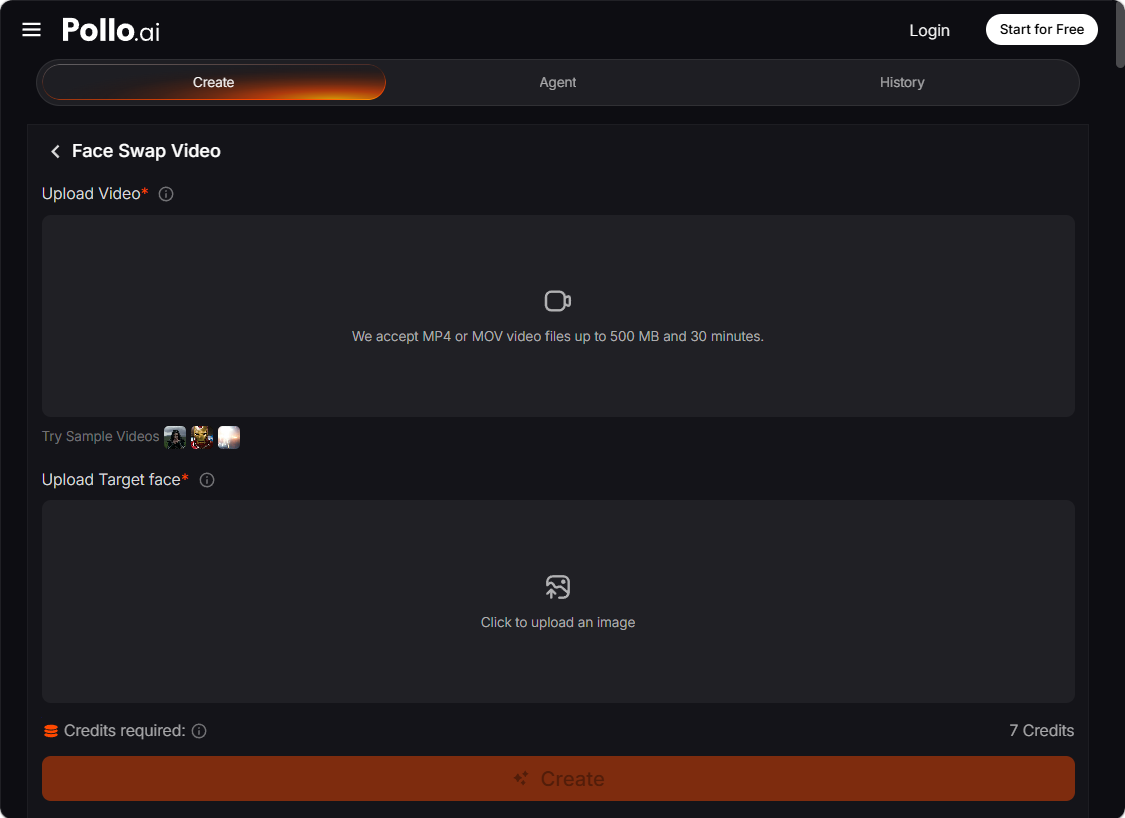
Because generation is fast, treat the first output as a draft rather than a finished piece. Running the same source through AI Face Swap Video Online inside Pollo AI two or three times with different framing usually surfaces one version that’s noticeably sharper than the others. Publishing your first attempt by default is the most common avoidable mistake in low-budget social media content production.
Batch on One Day, Schedule Across Two Weeks
Set aside a single session to make everything, rather than producing daily. Batching removes the setup cost that makes daily creation exhausting, and scheduling protects your posting rhythm during the weeks when work or life gets in the way — which is precisely when most new channels go silent and never restart.
Adding a Second Content Lane With Music Formats
Once the first format is running, the constraint changes from skill to variety. One format on repeat plateaus, usually around the two-month mark.
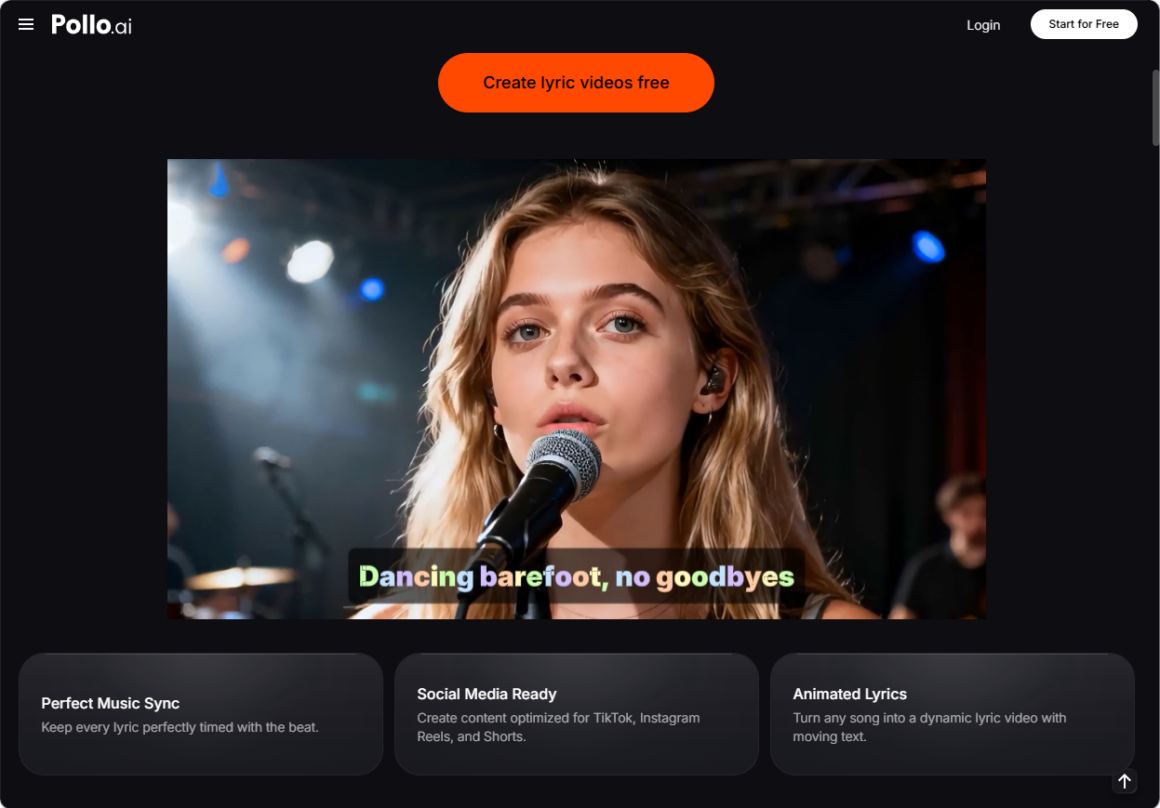
Music-led content is the most accessible second lane for most creators, and the ability to create lyric music video pieces through Pollo AI makes it viable without any audio production background. An uploaded track or pasted set of lyrics generates visuals matched to the song’s tone, with beat-synced animated text and an optional virtual performer, exported in formats built for vertical feeds. Three steps, no timeline editing.
For creators covering music, that opens up genuinely useful formats: visualisers for unsigned artists, lyric breakdowns, release-week teasers. Independent musicians use the same automatic lyric video maker approach to keep promotion running across a full campaign rather than a single launch post.
The point isn’t that every account should pivot to music. It’s that a second format built on a different production method insulates you when the first one fatigues.
Building a Content Matrix Without Doubling the Workload
A matrix sounds like something a media company needs, but for a solo creator it just means knowing what each post is for. Roughly, you want one format designed for reach, one for retention, and one for depth.
Reach content is short, visual and shareable — the reworked clip, the swap, the visual gag. Retention content is your recurring format, the reason people follow rather than just watch. Depth content is longer or written, and it’s what converts a follower into someone who actually cares.
The efficiency comes from the fact that these can share source material. One idea, filmed or sourced once, can supply all three slots with different treatments. Creators using beginner AI video creation tools to handle the reach layer typically free up enough time to keep the depth layer alive, which is the layer that eventually pays.
The Real Advantage Isn’t Speed
Faster production is the visible benefit, but the durable one is different. Cheap production makes it emotionally cheap to fail.
When a video costs a full weekend, you defend it long after the data says it isn’t working. When it costs fifteen minutes, you abandon it and try the next idea. That willingness to discard is what separates channels that find their format in six months from channels that spend two years protecting the wrong one.