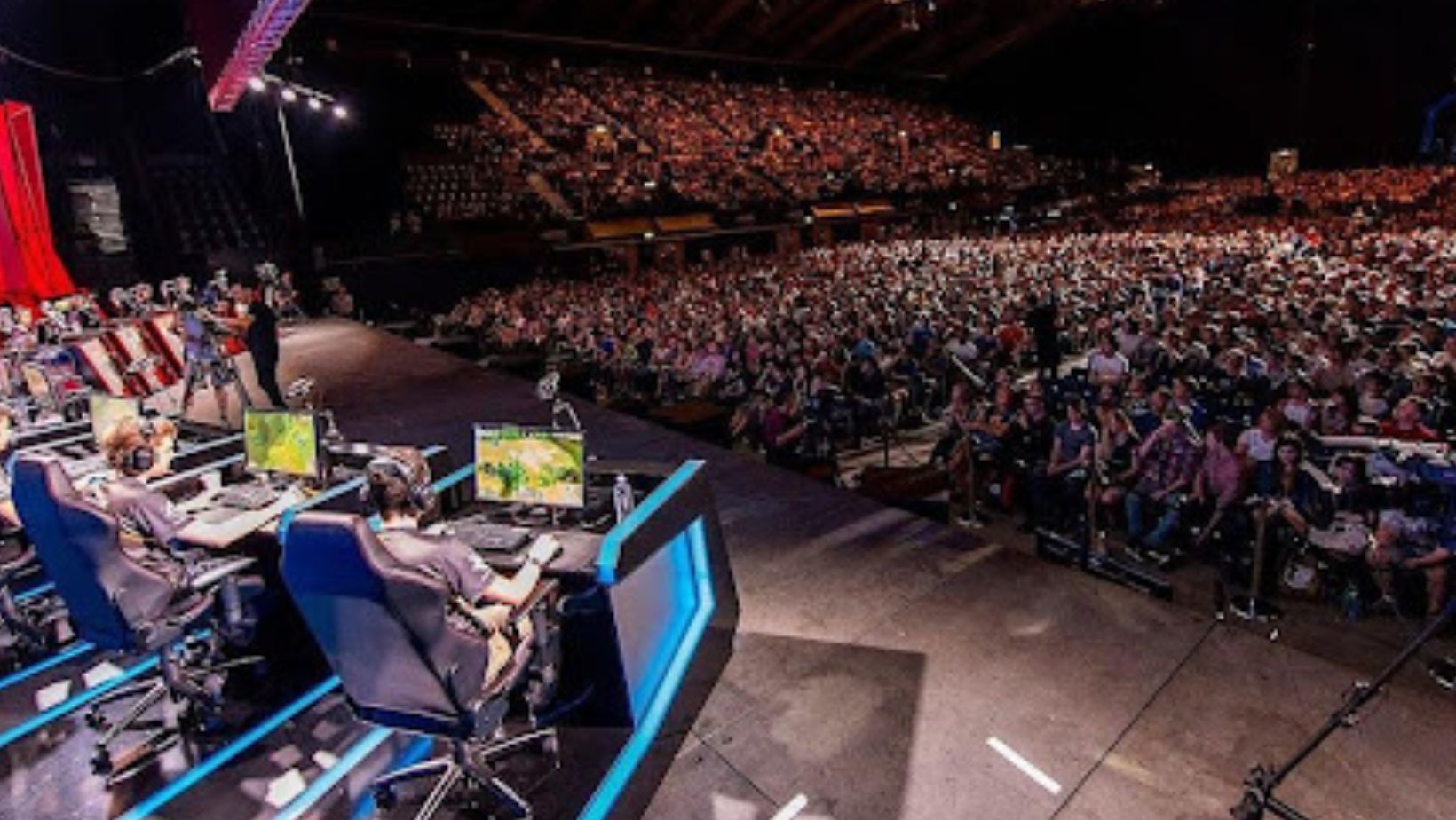
Over the past decade, esports has transformed from a niche entertainment sector into a global industry attracting millions of viewers. Major tournaments in CS2, League of Legends, and VALORANT now generate audiences comparable to traditional sports broadcasts. As a result, global corporations increasingly view competitive gaming as a strategic marketing channel rather than a risky experiment.
Big brands are no longer observing esports from a distance — they are actively investing in teams, sponsoring tournaments, and building long-term partnerships with organizations. This shift reflects broader changes in consumer behavior, digital media consumption, and the global expansion of gaming culture.
Access to a Young and Engaged Audience
One of the primary reasons big brands enter esports is access to a young, digitally native audience. Traditional advertising channels such as television and print media are losing influence among Gen Z and millennials. In contrast, esports platforms like Twitch and YouTube deliver direct engagement with viewers who actively participate in chat discussions, follow teams on social media, and consume related content daily.
In the CS2 ecosystem, where competitive rankings and team performance shape fan loyalty, brands closely monitor the most popular cs2 teams featured on platforms like egamersworld to understand which organizations command the largest global fanbases. These teams often compete in high-profile tournaments, dominate viewership metrics, and maintain strong social media presence, making them ideal partners for companies seeking visibility within the competitive gaming market.
Unlike traditional advertising, esports sponsorship integrates brands directly into the entertainment experience. Logos appear on jerseys, broadcast overlays, and team content, ensuring repeated exposure without interrupting the viewing process. This seamless integration increases brand recall while maintaining audience trust.
Moreover, esports fans tend to be highly brand-aware and responsive to products that align with gaming culture. Hardware manufacturers, energy drink companies, and even automotive brands recognize the purchasing power of this demographic. As gaming continues to grow globally, access to this audience becomes a long-term strategic advantage.
Global Reach Without Geographic Barriers
Esports operates in a fully digital environment, allowing brands to reach international audiences instantly. A CS2 tournament hosted in Europe can attract viewers from North America, Asia, and Latin America simultaneously. This global accessibility significantly reduces marketing fragmentation.
For multinational corporations, esports offers a unified campaign platform. Instead of launching separate regional initiatives, brands can sponsor a single international team or tournament and achieve worldwide exposure. Competitive gaming communities are interconnected through social media, streaming platforms, and multilingual broadcasts, further amplifying reach.
This borderless ecosystem is particularly attractive in CS2, where tournaments feature mixed rosters and diverse fanbases. Teams often have supporters from multiple continents, making sponsorship agreements globally relevant rather than region-specific.
Additionally, digital analytics provide precise data on viewer demographics, engagement time, and click-through rates. Compared to traditional sports sponsorship, esports partnerships allow brands to measure return on investment with greater accuracy.
Authentic Integration Into Digital Culture
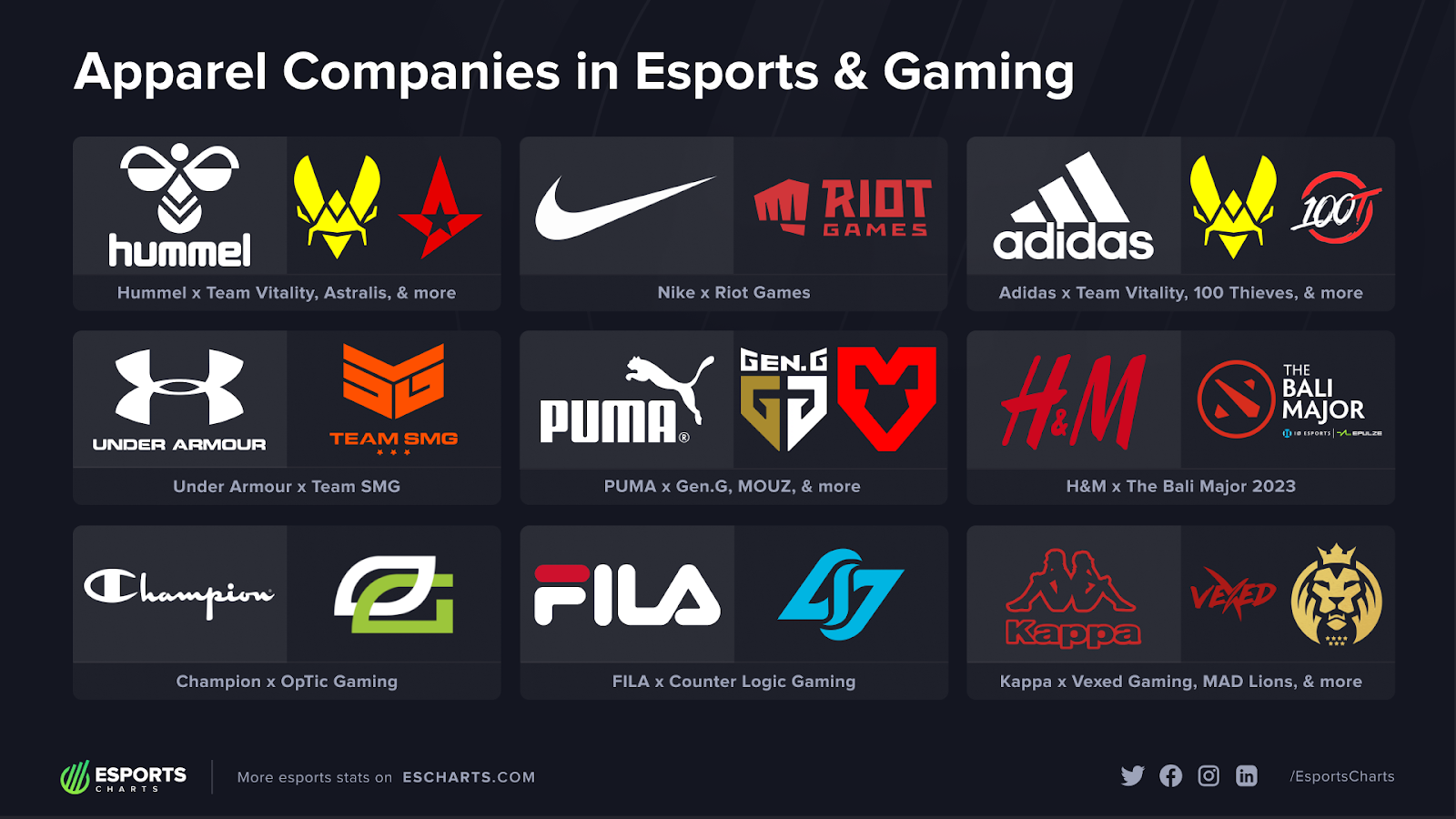
Another factor driving corporate interest is the opportunity for authentic storytelling. Esports teams produce continuous content beyond official tournaments, including behind-the-scenes videos, player interviews, training sessions, and live streams. Sponsors can integrate into these formats naturally.
For example, a hardware company may collaborate with a CS2 team to showcase performance optimization, while a lifestyle brand might partner with players for fashion-focused campaigns. These integrations feel organic because they connect directly to the daily routines of professional gamers.
Modern esports organizations operate like media companies. They maintain in-house production teams, graphic designers, and content strategists. This infrastructure allows sponsors to co-create campaigns rather than simply purchase advertising space. The result is deeper brand immersion and stronger audience trust.
Furthermore, esports communities value transparency. When partnerships align with team values and competitive goals, fans respond positively. This differs from traditional sponsorship models, where brand placement can feel detached from the sporting narrative.
Financial Growth and Industry Stability
Big brands are also entering esports due to its economic maturation. Prize pools, franchise leagues, and long-term tournament circuits provide financial predictability. In CS2, structured competitive calendars and established organizations reduce uncertainty for investors.
Sponsorship deals often represent the largest revenue stream for esports teams. As more non-endemic brands — companies outside gaming — enter the scene, financial diversification increases. This reduces reliance on a single sponsor category and strengthens long-term sustainability.
Additionally, the professionalization of esports governance has improved transparency. Contracts, player transfers, and league systems now resemble traditional sports frameworks. This institutional stability reassures global corporations that esports is not a temporary trend but a scalable industry.
Market analysts project continued growth in media rights, merchandise sales, and digital advertising revenue. For brands seeking emerging investment channels, esports presents a combination of innovation and measurable performance metrics.
Competitive Visibility and Cultural Relevance
In highly competitive markets, brands constantly search for new ways to remain culturally relevant. Esports represents modern digital culture, blending technology, entertainment, and global community interaction. By sponsoring CS2 teams or tournaments, companies position themselves at the center of contemporary youth trends.
Visibility during major championships generates media coverage beyond gaming platforms. Mainstream news outlets increasingly report on record-breaking prize pools and viewership numbers. This crossover appeal strengthens brand positioning as forward-thinking and innovative.
Moreover, esports aligns with technological advancement. Many corporate sponsors operate in industries such as telecommunications, fintech, automotive innovation, and consumer electronics. Partnering with gaming organizations reinforces their association with performance, precision, and future-oriented thinking.
As esports continues integrating augmented reality, advanced broadcast graphics, and immersive fan experiences, the environment becomes even more attractive for technology-driven brands.
Conclusion
The growing involvement of big brands in esports is driven by strategic, measurable advantages rather than short-term hype. Access to a young and engaged audience, global reach without geographic limitations, authentic digital integration, and increasing industry stability all contribute to the appeal of competitive gaming partnerships.
In CS2 and other leading esports titles, teams function as global entertainment brands with dedicated communities and continuous content production. For corporations seeking long-term growth and cultural relevance, investing in esports provides both visibility and credibility in the digital era.
As the industry continues to mature, the collaboration between global companies and esports organizations will likely deepen. What began as experimental sponsorship has evolved into a structured business strategy, positioning esports as one of the most dynamic marketing platforms of the modern era.