

Managed offices have become the quiet workhorse of the modern workspace market. They sit in the sweet spot between a traditional lease (high commitment, high effort) and coworking (high flexibility, sometimes low control). If you’re considering one, you’re probably trying to solve a familiar set of problems: you need a professional space quickly, you want predictable monthly costs, and you’d rather not spend your time negotiating with cleaners, internet providers, or furniture suppliers.
Still, “managed” can mean different things depending on the operator and the building. Before you sign anything, it’s worth slowing down and getting clear on what you’re actually buying—and what you’re still responsible for.
Start With the “Why”: What Problem Are You Solving?
A managed office is often the right answer, but only when you’re clear on the question. Are you:
- Growing headcount quickly and need to scale without a refit every six months?
- Opening a satellite office and want a turnkey setup?
- Leaving a lease and trying to avoid long commitments while you stabilise?
- Trying to give your team a better experience without adding operational burden?
Your “why” matters because it determines which trade-offs are acceptable. If culture and brand are your priority, you’ll want deeper control over layout and look-and-feel. If speed is everything, you’ll prioritise ready-to-go space and a simple onboarding process.
Understand the Commercials: It’s Not Just One Price
Managed offices are usually sold as a monthly fee, but the devil is in the detail. You’ll want to understand:
What’s Included vs. What’s Variable
Some operators include everything from utilities to meeting room credits; others charge separately for certain services. Clarify line by line: power, cleaning frequency, printing, meeting rooms, reception, post handling, and out-of-hours access.
How Pricing Changes Over Time
Ask how increases are handled. Is there an annual uplift? Is it tied to inflation? Are service costs passed through if utility rates spike? A “simple” monthly number can still hide meaningful volatility.
Deposit, notice period, and reinstatement
Managed offices typically reduce the pain of dilapidations and reinstatement, but don’t assume it disappears. Check what condition you must return the space in, whether branding needs removal, and how repairs are handled.
Scope the Service Model: Who Does What, Exactly?
The appeal of a managed office is support—someone else runs the building so you can run your business. But support is not a single standard. Pay attention to where the operator’s responsibilities end and yours begin.
For example, IT support can range from “we provide Wi‑Fi” to “we’ll help your team onboard devices and manage network segregation.” The same goes for facilities: is there an onsite team who can respond quickly, or is it a remote helpdesk with a contractor SLA?
Around this stage of your search, it helps to compare providers that offer flexible offices with support services, because the real value often comes from the operational layer—how smoothly issues are handled, how transparent the processes are, and how much time it saves your team week to week.
Get Specific About the Space: Layout, Privacy, and Growth
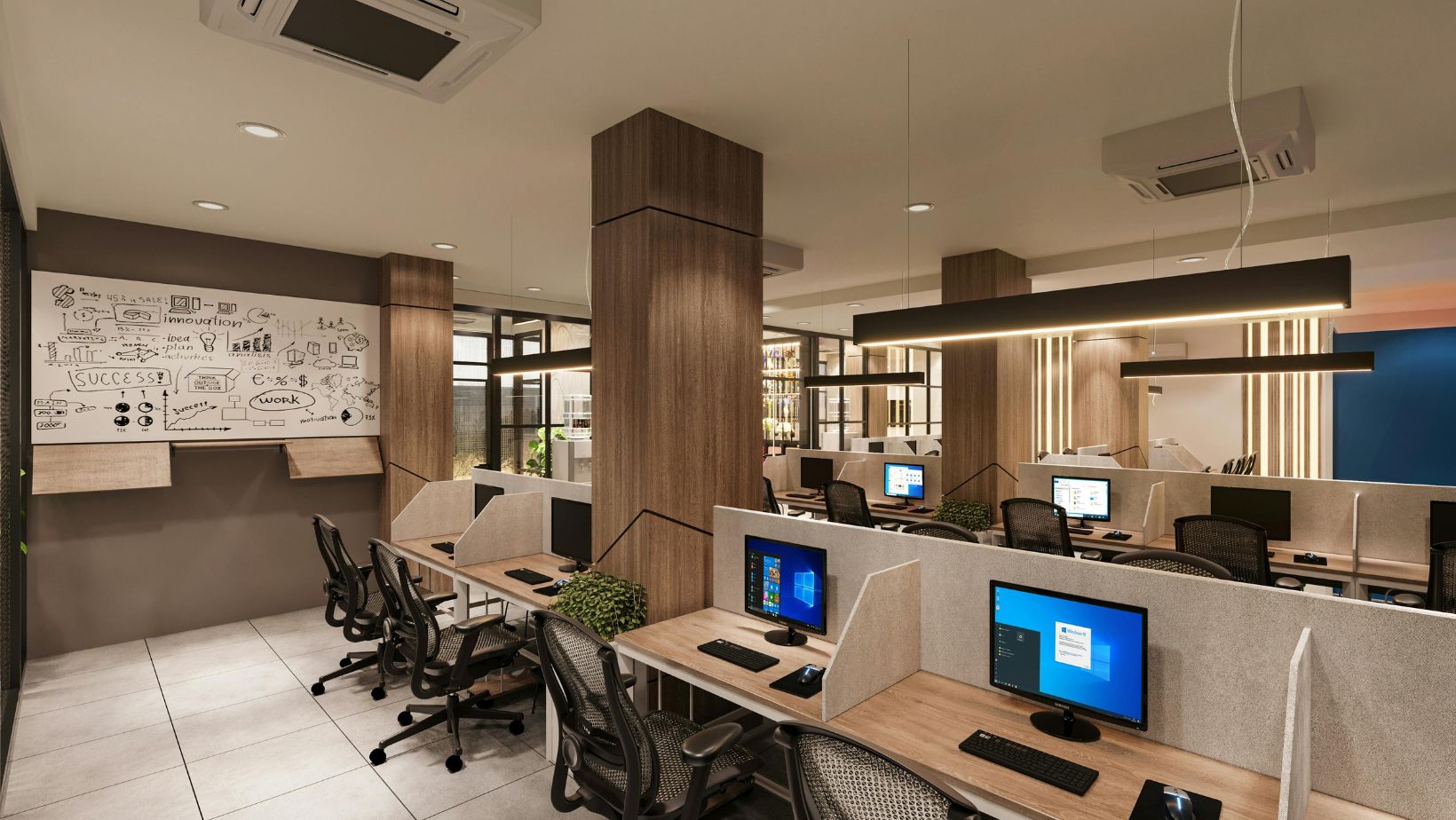
A managed office should feel like your workspace, not just desks behind a door. When you tour, look beyond the aesthetics.
Layout and acoustic reality
Open-plan looks great in photos, but how does it sound at 11 a.m. on a Tuesday? Ask about acoustic treatment, wall construction, and whether meeting rooms are nearby (and bookable when you need them). If client calls and focus work are common, noise control is not optional.
Meeting rooms: quantity, quality, and access
Don’t just ask “do you have meeting rooms?” Ask how many, how they’re booked, and whether there are peak-time constraints. If your team runs workshops, check the practicalities: whiteboards, screens that actually connect, and enough space to move around.
Headcount changes
Most teams overestimate how stable they’ll be. If you add five people, can the office flex with you? If you need to shrink, can you reduce space without punitive costs? Clarify whether the operator can offer adjacent space later, and how often they can re-stack the layout.
Technology and Security: Ask the Uncomfortable Questions
Connectivity is usually marketed as a given, but resilience and security are where the differences show up.
Internet resilience
Ask whether the building has:
- Diverse carriers (not just one provider)
- Automatic failover options
- Clear SLAs for downtime and response times
If your business is remote-heavy or client-facing, internet resilience is business continuity, not a perk.
Network segregation and compliance
If you handle sensitive data, ask how networks are separated between tenants and what controls exist for guest access. If you’re in a regulated sector, you may also need clarity on access logs, CCTV retention, and secure storage options.
Culture Fit: Your Team Has to Want to Be There
Managed offices are a workplace product, not just a property product. The day-to-day experience matters more than the brochure.
Building vibe and neighbour mix
Who else is in the building? A calm professional services environment feels different from a high-energy startup hub. Neither is “better,” but one may be wrong for your team.
Hospitality and responsiveness
Pay attention to how the onsite team operates. Are they proactive? Do they know tenants by name? When you ask a detailed question, do you get a confident answer—or vague reassurance?
Due Diligence: A Short Checklist Before You Sign
You don’t need a 40-page procurement process, but you do need a few disciplined checks. Before committing, ask:
- What, precisely, is included in the monthly fee, and what triggers extra charges?
- What are the SLA response times for IT and facilities issues?
- How is access managed (cards, mobile passes), and can you control permissions?
- What are the rules on branding, layout changes, and bringing in your own furniture?
- What happens if you need to expand, reduce, or exit early?
That’s one short conversation that can save you months of frustration later.
Final Thought: Treat It Like an Operating Model, Not a Real Estate Deal
A managed office isn’t just “space you rent.” It’s an outsourced operational setup—people, processes, service levels, and a physical environment that will shape how your team works. If you evaluate it like a lease, you’ll miss the real risks (and the real benefits).
Do your homework, ask the specific questions, and focus on how the space will run on an ordinary Wednesday—not just how it looks on move-in day. That’s how you end up somewhere your team can actually thrive.