
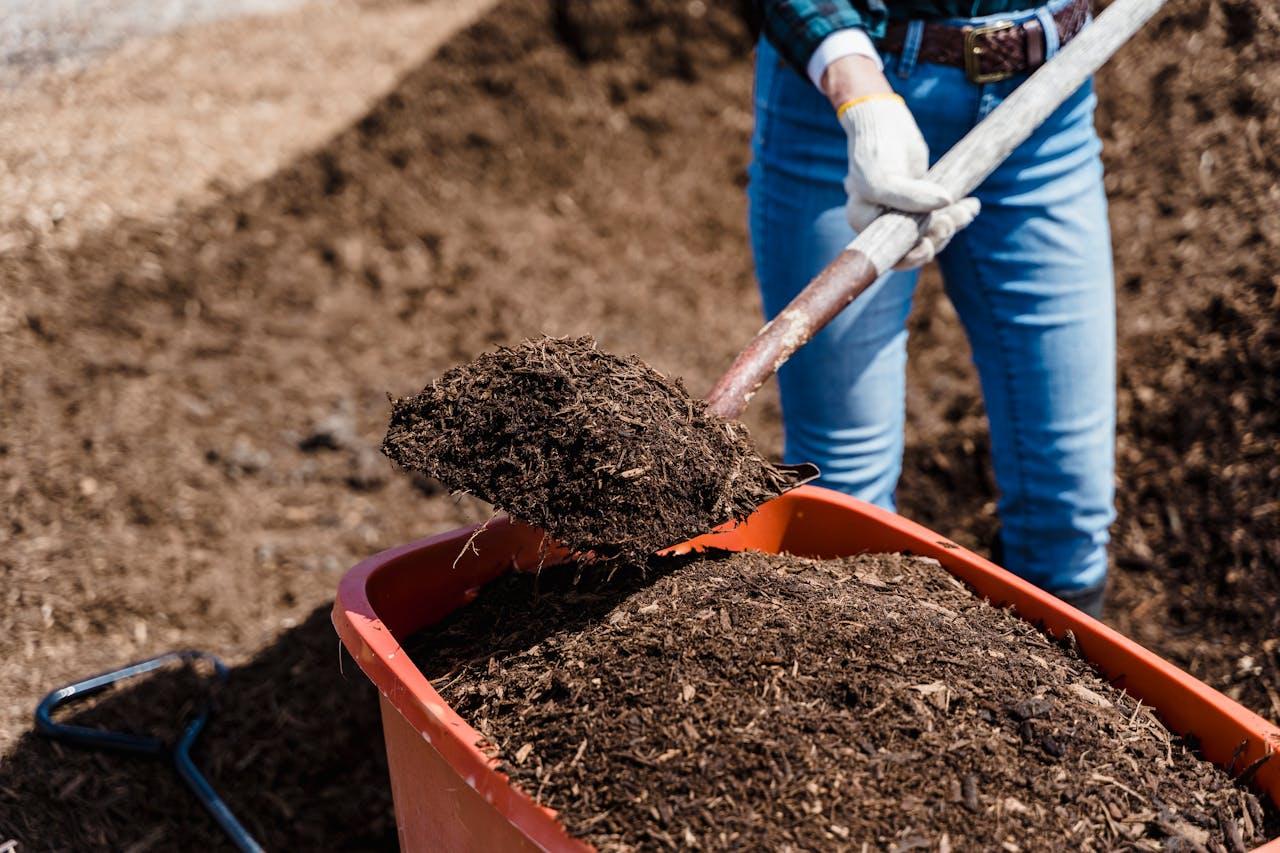
Home gardening in the UK has evolved rapidly over the past few years, shifting from a seasonal hobby to a long-term lifestyle choice. In 2026, more households are prioritising self-sufficiency, sustainability, and homegrown food, leading to a surge in demand for fruit plants.
But which fruit plants are actually gaining popularity—and what does the data tell us about changing gardening habits?
Why Is Fruit Gardening Growing in the UK?
Several key trends are driving this growth:
📊 Key Drivers Behind the Shift
- Rising food prices encouraging home production
- Increased interest in organic and chemical-free produce
- Smaller garden spaces requiring compact, productive plants
- Lifestyle shifts toward sustainability and self-reliance
Recent industry insights show that UK households are increasingly investing in high-yield, low-maintenance crops that deliver consistent results year after year.
Which Fruit Plants Are Most Popular in 2026?
📈 Top Trending Fruit Plants (Based on Demand & Growing Trends)
|
Rank |
Fruit Type |
Why It’s Trending |
|
1 |
Strawberries |
Fast-growing, beginner-friendly |
|
2 |
Raspberries |
High yield, long lifespan |
|
3 |
Apple Trees |
Reliable yearly harvest |
|
4 |
Blueberries |
Ideal for containers |
|
5 |
Cherry Trees |
Compact and decorative |
Takeaway:
Gardeners are prioritising plants that are easy to grow, space-efficient, and highly productive.
Why Are Strawberry Plants Leading the Trend?
Strawberries consistently rank as one of the most popular fruit plants in the UK.
📊 Data Insights:
- Fast fruiting cycle (often within a few months)
- Suitable for containers, hanging baskets, and small gardens
- Continuous harvesting options with everbearing varieties
These factors make strawberry plants especially attractive for beginners and urban gardeners.
What Makes Raspberry Plants a Long-Term Favourite?
Raspberries are gaining traction among gardeners looking for long-term value.
📊 Key Advantages:
- Productive lifespan of 10+ years
- High yields from relatively small spaces
- Seasonal varieties allow extended harvesting
This explains the steady demand for raspberry plants among both beginners and experienced growers.
Are Fruit Trees Still Worth Planting in 2026?
Despite the rise of compact plants, fruit trees remain highly relevant.
📊 Trends in Tree Planting:
- Growing interest in dwarf and patio varieties
- Increased demand for multi-season crops
- Strong appeal for long-term sustainability
Homeowners are investing in fruit trees as a way to create permanent, productive garden ecosystems.
How Are Smaller Gardens Influencing Plant Choices?
Space constraints are shaping modern gardening decisions.
📉 Key Shifts:
- Increased use of containers and vertical growing
- Preference for compact or dwarf varieties
- Focus on plants with high yield per square metre
This trend explains why:
- Strawberries (container-friendly) are booming
- Raspberries (vertical growth) remain popular
- Compact fruit trees are in demand
What Do These Trends Say About UK Gardeners?
🧠 Behaviour Insights:
- Gardeners want quick results + long-term returns
- There is a strong shift toward low-maintenance plants
- Aesthetic appeal is becoming as important as productivity
- Sustainability is now a core decision factor
In short, modern gardeners are becoming more strategic and efficiency-focused.
What Will Shape Fruit Gardening Beyond 2026?
🔮 Future Predictions:
- Continued rise of container gardening
- More hybrid and disease-resistant plant varieties
- Increased demand for multi-harvest crops
- Integration of gardening with eco-friendly living
Fruit gardening is no longer just seasonal—it’s becoming a year-round lifestyle choice.
Final Takeaway
The data clearly shows that fruit gardening in the UK is shifting toward:
✅ High-yield, space-efficient plants
✅ Beginner-friendly growing options
✅ Long-term sustainability and value
✅ A balance between productivity and convenience
Whether it’s strawberries for quick harvests, raspberries for long-term yield, or fruit trees for lasting investment, the trend is clear:
👉 Grow smarter, not bigger.


