
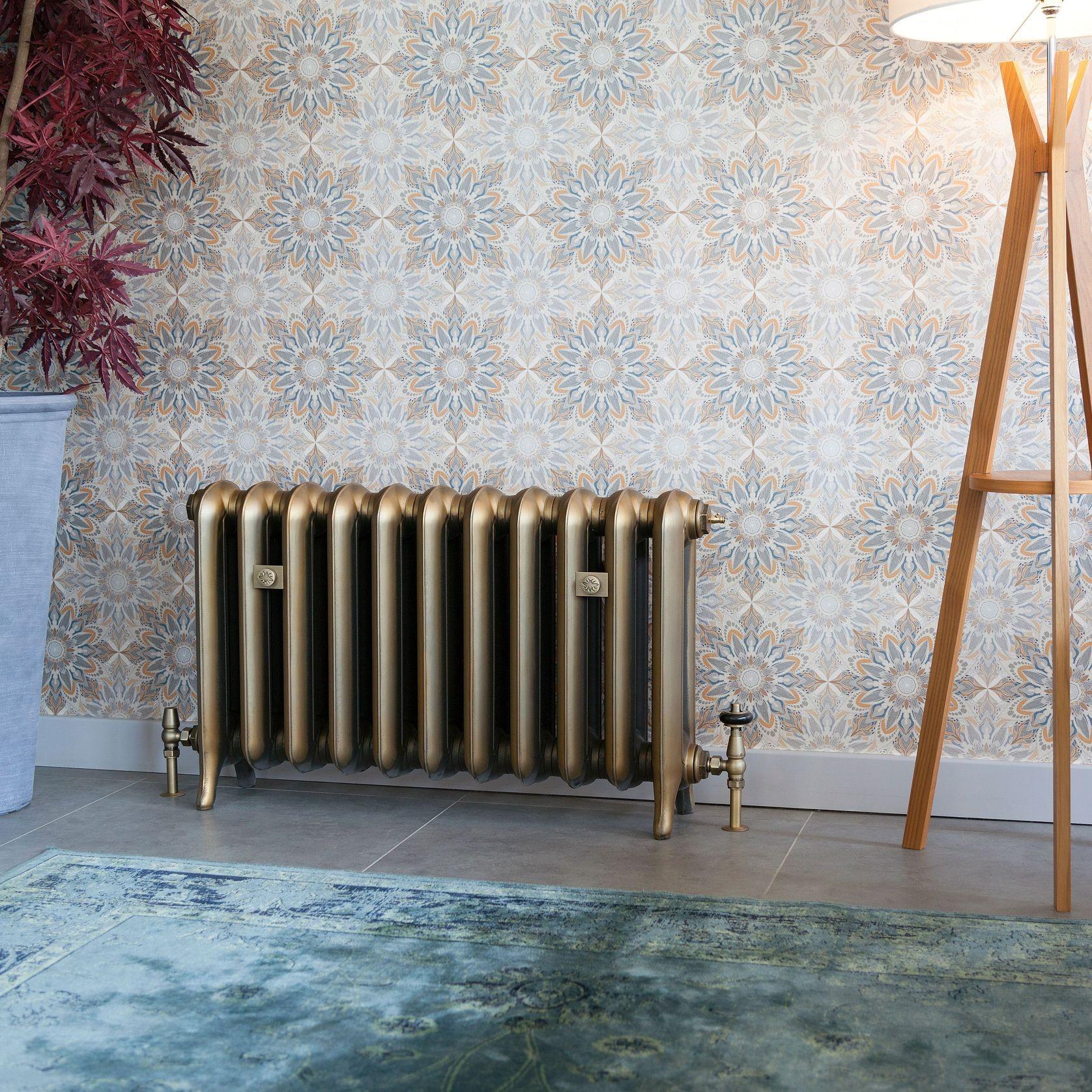
In an era dominated by mass production and fast home upgrades, a surprising shift is happening in the UK interiors market—handmade radiators are making a strong comeback.
Homeowners are increasingly choosing craftsmanship over convenience, driven by a desire for durability, uniqueness, and long-term value. But what’s behind this renewed interest in handmade heating solutions?
What Are Handmade Radiators?
Handmade radiators are typically crafted using traditional methods, often from materials like cast iron, and finished with a high level of detail.
Unlike mass-produced units, they offer:
- Individually assembled sections
- Custom finishes and sizing
- Artisan-level detailing
- Long-lasting materials
They represent a shift from “just heating” to functional design with character.
Why Are Handmade Radiators Becoming Popular Again?
1. Demand for Authentic Craftsmanship
Consumers are moving away from generic interiors toward personalised, character-driven spaces.
- Handmade products feel more authentic
- Each radiator has unique detailing
- Supports the growing “slow design” movement
This reflects a wider trend where craftsmanship is valued over mass production.
2. Long-Term Durability and Value
Handmade radiators—especially cast iron—are built to last.
- Can last 50–100 years or more
- Designed to be repaired, not replaced
- Reduce long-term replacement costs
Traditional radiators are known for their exceptional lifespan and durability, making them a long-term investment rather than a short-term upgrade.
3. Superior Heat Retention
One of the biggest advantages of handmade cast iron radiators is their thermal performance.
- Heat up slowly but retain warmth for longer
- Provide consistent, even heating
- Reduce energy cycling
Their ability to hold heat even after the system is off improves efficiency and comfort.
4. Perfect for Period and Character Homes
Handmade radiators are especially popular in:
- Victorian and Edwardian homes
- Renovated heritage properties
- Boutique interiors and luxury spaces
They complement architectural details rather than clashing with them.
Traditional radiators are often chosen because they balance style with practical heating performance, enhancing a home’s character.
5. Customisation Is a Major Advantage
Mass-produced radiators are limited. Handmade options offer flexibility:
- Bespoke sizes for unique spaces
- Custom colours and finishes
- Adjustable heat output
- Design tailored to interior style
This is why many homeowners explore
Finest Cast Iron Radiators
and
Custom Cast Iron Radiators
to achieve a perfect match between performance and design.
6. Sustainability and Repair Culture
In 2026, sustainability is a key driver of buying decisions.
Handmade radiators support this by:
- Lasting decades (reducing waste)
- Being repairable and refurbishable
- Using recyclable materials
Their long lifespan significantly reduces environmental impact compared to short-life heating products.
7. Heating as a Design Statement
Radiators are no longer hidden—they’re showcased.
- Act as focal points in rooms
- Add texture and depth to interiors
- Blend function with aesthetics
This aligns with modern trends where every element in a room contributes to the overall design story.
Are Handmade Radiators Better Than Modern Alternatives?
|
Feature |
Handmade Radiators |
Modern Radiators |
|
Durability |
Very High |
Medium |
|
Heat Retention |
High |
Low–Medium |
|
Customisation |
Extensive |
Limited |
|
Design Impact |
High |
Medium |
|
Heat Speed |
Slow |
Fast |
Takeaway:
Handmade radiators prioritise longevity, consistency, and design, while modern radiators focus on speed and minimalism.
Who Should Choose Handmade Radiators?
They are ideal for:
- Homeowners renovating period properties
- Interior design-focused buyers
- Those seeking long-term value over short-term savings
- Anyone wanting a unique, premium heating solution
Handmade radiators are gaining popularity again because they offer something modern alternatives often lack:
✅ Authentic craftsmanship
✅ Long-lasting performance
✅ Energy-efficient heat retention
✅ Timeless design appeal
In 2026, heating is no longer just functional—it’s a reflection of style, sustainability, and smart investment.


