
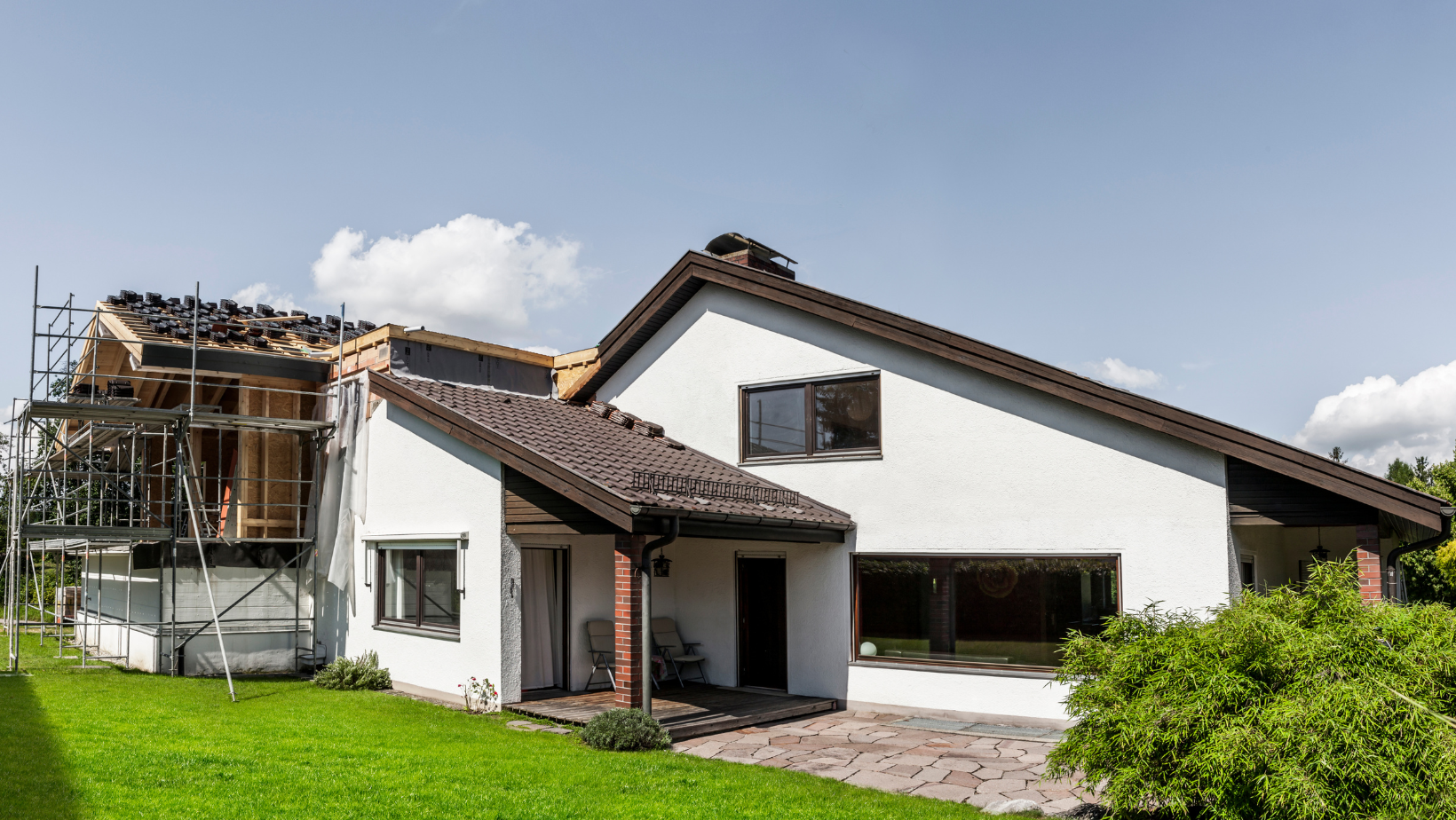
You’ve outgrown your home. The kids need more space, you’re desperate for a home office, or perhaps your elderly parents need accommodation nearby. You’ve got two options on the table: a traditional home extension or a garden annexe.
Both will cost you serious money. But here’s the question that keeps homeowners awake at night: which one will actually give you the better return on investment?
I’ve spent the past year analyzing data from estate agents, speaking with property valuers, and interviewing homeowners who’ve taken both routes. The answer might surprise you.
The True Cost of Home Extensions in 2026
Let’s start with the sobering reality of home extension costs.
A single-storey rear extension in the UK now averages £1,800-£2,500 per square meter. For a modest 20-square-meter extension, you’re looking at £36,000-£50,000 minimum.
Two-storey extensions? Budget £2,200-£3,000 per square meter. That 40-square-meter project could easily hit £120,000.
Hidden costs that blindside homeowners:
-
Architect fees: 8-15% of total project cost
-
Structural engineer: £1,000-£3,000
-
Building regulations approval: £1,000-£2,500
-
Party wall agreements: £700-£2,000
-
Temporary accommodation during work: £3,000-£8,000
-
Kitchen/bathroom fitting: £8,000-£25,000
-
Heating and electrical upgrades: £3,000-£7,000
These extras can add 20-30% to your initial quote. That £50,000 extension realistically becomes £60,000-£65,000.
Garden Annexe Costs: The Complete Picture
Garden annexes offer a different financial equation.
A quality 30-square-meter garden annexe typically costs £45,000-£75,000 fully installed. Premium builds can reach £100,000+, while basic models start around £30,000.
What’s included in this price:
-
Complete structure with insulation
-
Double glazing throughout
-
Bathroom with fixtures
-
Kitchenette with appliances
-
Heating system
-
Electrical installation
-
Delivery and installation
Additional costs to budget for:
-
Planning permission fees: £206-£462
-
Building regulations: £1,000-£2,000
-
Groundworks and base: £3,000-£8,000
-
Utility connections: £2,000-£5,000
-
Landscaping restoration: £1,000-£3,000
Total realistic budget: £50,000-£90,000 for a complete, move-in-ready annexe.
Smaller garden pods without full facilities cost £15,000-£35,000, offering even better value for specific uses like home offices.
ROI Comparison: The Numbers Don’t Lie
Here’s where things get interesting.
Home Extension ROI:
Estate agents report that well-executed extensions typically return 50-80% of costs in immediate property value. A £60,000 extension might add £30,000-£48,000 to your home’s value.
In high-demand areas like London and the Southeast, returns can reach 80-100%. In slower markets, you might only see 40-60% returned.
Garden Annexe ROI:
Garden annexes typically return 60-90% of costs in added property value. A £65,000 annexe could add £40,000-£58,000 to valuation.
But here’s the game-changer: garden annexes offer multiple revenue streams that extensions can’t match.
Income potential from garden annexes:
-
Long-term rental: £600-£1,200 monthly
-
Airbnb/holiday lets: £80-£150 per night
-
Family rent contribution: £300-£600 monthly
-
Home business/office rental: £400-£800 monthly
A garden annexe generating £800 monthly rental income produces £9,600 annually. Over ten years, that’s £96,000 before accounting for rental increases.
Suddenly, your £65,000 investment has generated £96,000 in income plus £50,000 in property value. That’s a 224% total return.
No home extension can compete with those numbers.
Speed and Disruption: The Hidden Costs
Money isn’t everything. Your sanity matters too.
Home Extension Timeline:
Traditional extensions take 4-6 months minimum, often stretching to 9-12 months with delays. During this time, you’ll experience:
-
Daily builder presence from 7:30am
-
Dust throughout your home
-
No kitchen or bathroom access (depending on work)
-
Noise, mess, and constant decision-making
-
Living in temporary accommodation
-
Stress on family relationships
One homeowner told me their extension “nearly ended our marriage.” The constant disruption, decisions, and living in chaos wore everyone down.
Garden Annexe Timeline:
Garden annexes typically take 3-5 months from planning approval to completion. Crucially, the actual installation happens in your garden, not your home.
-
Minimal disruption to daily life
-
Continue using your home normally
-
Installation often completed in 1-2 weeks
-
No internal dust or mess
-
Family routine remains intact
The mental health value of avoiding months of chaos? Priceless.
Flexibility: Future-Proofing Your Investment
Life changes. Your needs in five years might look completely different from today.
Home Extension Flexibility:
Extensions become permanent parts of your home. That bedroom extension is always a bedroom. If your needs change, you’re stuck with the layout unless you spend thousands on reconfiguration.
When you sell, buyers either love or hate your extension. There’s no middle ground.
Garden Annexe Flexibility:
Garden annexes adapt to life’s changes with remarkable ease:
-
Today: Home office while working remotely
-
In 5 years: Teenager’s independent space
-
In 10 years: Elderly parent accommodation
-
In 15 years: Rental income during retirement
-
When selling: Appeals to multiple buyer types
Garden pods offer even more flexibility for evolving work and lifestyle needs without the commitment of full living facilities.
This adaptability protects your investment regardless of life’s curveballs.
The Planning Permission Factor
This is where garden annexes pull ahead dramatically.
Home Extensions:
Larger extensions require full planning permission, which means:
-
8-12 week waiting period
-
No guarantee of approval
-
Neighbor objections can sink projects
-
Strict design requirements
-
Potential for costly appeals
Even with permitted development rights, you’ll need building regulations approval and may face restrictions on size and design.
Garden Annexes:
While most garden annexes require planning permission for residential use, they face less neighbor opposition than extensions. A structure at the garden’s end rarely affects adjoining properties like a looming extension does.
Garden pods used solely as offices often fall under permitted development, bypassing planning entirely.
Planning officers generally view garden buildings more favorably than extensions, improving approval odds.
Resale Appeal: What Buyers Really Want
I’ve spoken with dozens of estate agents about buyer preferences. Their insights are revealing.
Extensions: Buyers appreciate extra space but scrutinize execution quality. Poorly designed extensions can actually reduce property value if they:
-
Create awkward room layouts
-
Reduce garden size too much
-
Overshadow remaining outdoor space
-
Look incongruous with original architecture
Garden Annexes: Modern buyers actively seek properties with garden annexes. They appeal to:
-
Multigenerational families (fastest-growing buyer segment)
-
Remote workers wanting dedicated office space
-
Buy-to-let investors seeing rental potential
-
Families wanting guest accommodation
-
Buyers planning for aging parents
Estate agents report that properties with quality garden annexes sell 15-25% faster than comparable properties without them.
The Tax Implications Nobody Mentions
This gets technical but matters enormously for ROI calculations.
Home Extensions:
Extensions to your primary residence don’t trigger capital gains tax when selling. However, if they significantly increase your property value, you might push into higher stamp duty bands on your next purchase.
Garden Annexes:
Self-contained garden annexes used for rental income must be declared to HMRC. You’ll pay income tax on rental profits after allowable expenses.
However, you can offset:
-
Maintenance costs
-
Insurance
-
Utilities
-
Mortgage interest (if applicable)
-
Depreciation
If structured correctly, rental income from garden annexes can be surprisingly tax-efficient, especially if you operate through a limited company.
The Verdict: Which Wins for ROI?
Here’s my honest assessment after analyzing the data.
Choose a home extension if:
-
You need tightly integrated additional living space
-
Garden size is limited (under 30 feet)
-
You’re staying in the property long-term (10+ years)
-
The extension opens up your floor plan significantly
-
You have no interest in rental income
-
Your property is under-sized for the area
Choose a garden annexe if:
-
You value flexibility and multiple use options
-
Generating income appeals to you
-
You want minimal disruption during construction
-
You need independent living space
-
You’re planning for aging parents or returning adult children
-
You want better short-term ROI through rental income
Choose a garden pod if:
-
You need dedicated workspace or hobby space
-
Budget is under £35,000
-
You want something installed quickly
-
Full residential facilities aren’t necessary
-
You prefer avoiding planning permission
The Bottom Line
Pure property value increase? Extensions and garden annexes run roughly neck-and-neck, both returning 50-80% of costs in most markets.
But factor in rental income potential, installation speed, flexibility, and reduced disruption, and garden annexes pull decisively ahead for overall ROI.
A garden annexe generating £750 monthly over ten years produces a total return that no extension can match.
For homeowners seeking the absolute best financial return, garden annexes win hands down. For those prioritizing seamless internal space integration above all else, extensions still make sense.
The smart money is increasingly flowing toward garden annexes. The numbers explain why.
Frequently Asked Questions
Which adds more value: a home extension or garden annexe?
Both typically add 50-80% of construction costs in immediate property value. However, garden annexes can generate £600-£1,200 monthly rental income, producing significantly higher total ROI over time. A rental annexe can return 150-250% of investment over 10 years versus 50-80% for extensions.
How long do garden annexes take compared to home extensions?
Home extensions typically require 4-12 months including planning and construction. Garden annexes take 3-5 months from planning to completion, with actual installation often completed in just 1-2 weeks. Garden pods can be installed in 6-8 weeks total.
Do I need planning permission for a garden annexe or extension?
Most home extensions over certain sizes require garden annexes planning permission, as do most garden annexes with residential facilities. However, garden pods used as offices may qualify as permitted development. Always check with your local planning authority before starting any project.
Can I rent out my garden annexe for income?
Yes, garden annexes can be rented long-term to tenants or used for holiday lets (subject to local regulations). This generates £600-£1,200 monthly for long-term rentals or £2,000-£4,000 monthly for successful holiday lets, dramatically improving ROI compared to extensions.
Which is cheaper: building an extension or garden annexe?
Costs are comparable per square meter (£1,500-£2,500), but garden annexes typically include more facilities in the base price. A 30-square-meter project costs £45,000-£75,000 for either option. However, garden annexes avoid costs like temporary accommodation during building work.
Will a garden annexe or extension sell my house faster?
Estate agents report that garden annexes help properties sell 15-25% faster because they appeal to multigenerational families, remote workers, and investors. Well-designed extensions also help, but annexes attract more diverse buyer types, particularly in current market conditions.