A New Chapter in Hospitality Spaces
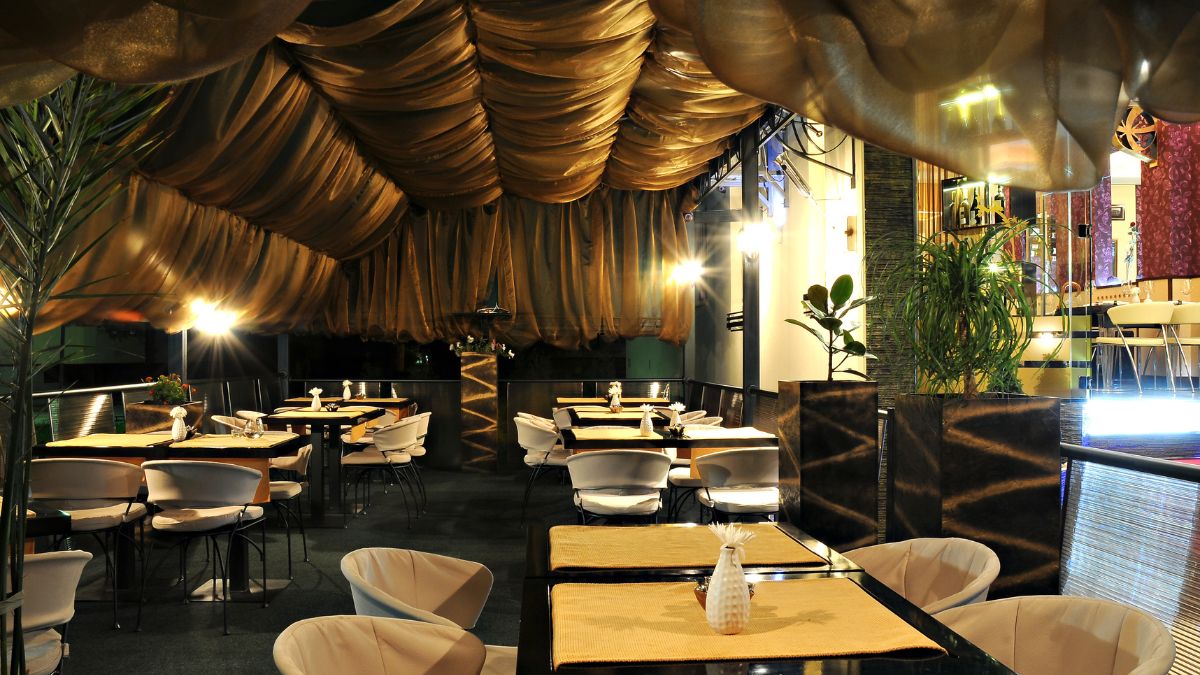
Walk into a great restaurant and you can feel it before you taste anything. The way the lighting wraps the room in a warm glow. The way the layout feels easy, almost instinctive—you don’t have to think about where to walk or where to look. That kind of harmony between beauty and function used to take months of planning, sketches, and a fair amount of crossed fingers. Now, with a modern AI Restaurant Design tool, you can explore, adjust, and refine those details long before you’ve ordered a single chair. It’s not here to replace creativity; it’s here to give it more space to breathe.
From Guesswork to Confidence
Restaurant design used to involve a lot of “we’ll see when it’s built.” That meant costly adjustments if something didn’t work—like realizing your “cozy” table setup actually traps servers in a bottleneck during dinner rush. AI changes that. It can map out pathways, simulate service flow, and even preview how sunlight will hit your tables at different times of day. Instead of gambling on a guess, you’re making decisions with a clear picture in front of you. That kind of confidence is worth a lot, especially when opening night is on the line.
Designing the Whole Experience
A restaurant isn’t just a room where people eat. It’s the sound of low chatter mixing with the clink of cutlery. It’s the way certain colors make the food look even more appealing. AI makes it easier to tie all those little elements together. You can experiment with wall textures, lighting warmth, and seating shapes until the vibe matches your vision—be it a buzzing tapas bar or a calm tea lounge. It’s like testing a recipe: you keep tweaking until every flavor, or in this case, every detail, works together.
Speed That Feeds Creativity
In the old days, creating multiple design concepts meant weeks of back-and-forth and mounting costs. By the time you finalized one, you were too far in to explore anything new. Now, you can mock up ten completely different looks in the time it used to take to polish one. Try an urban-industrial concept before lunch, switch to coastal chic after, and still have time to revisit your original idea before the day ends. That speed encourages risk-taking—because if one idea flops, you can just hit “generate” and try another.
Getting Everyone on the Same Page
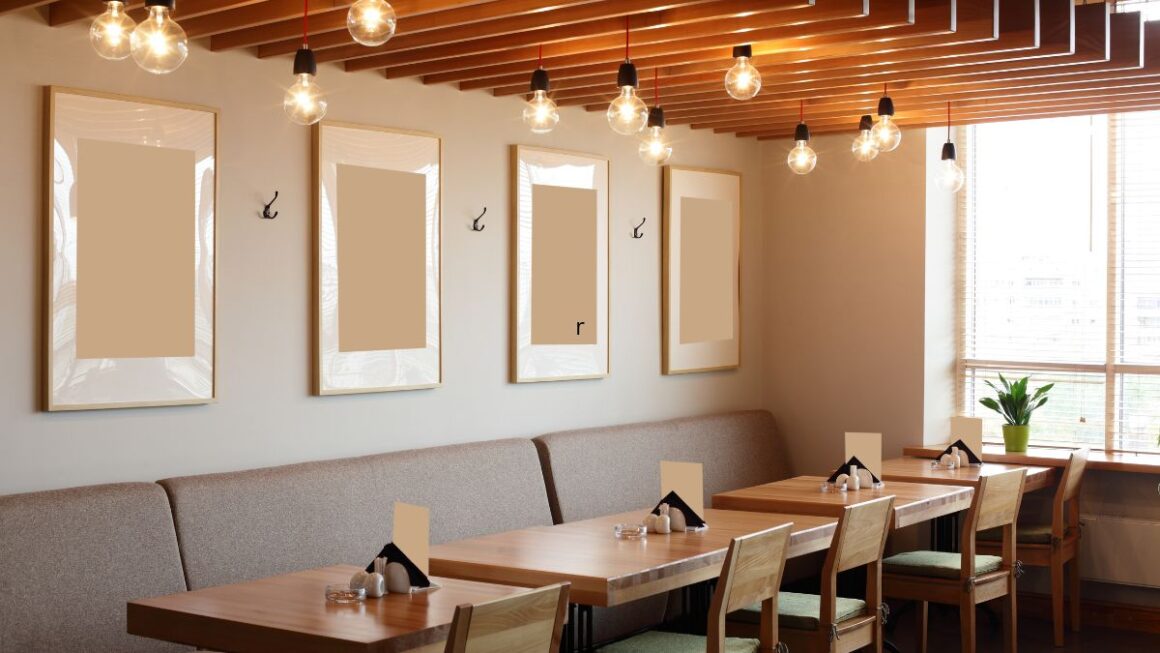
If you’ve ever been in a restaurant build-out meeting, you know how quickly “modern” can mean something different to each person in the room. The chef pictures clean lines and muted colors, the owner imagines exposed brick and brass accents, and the investors… well, they’re just thinking about ROI. AI visuals solve that by giving everyone the same image to react to. You can point at the screen and say, “This is what I mean,” and avoid the dreaded “I thought you meant…” conversations that slow everything down.
Building in Sustainability from the Start
Eco-friendly design isn’t just trendy—it’s practical. AI can suggest materials that look good, last long, and tread lightly on the environment. It can recommend layouts that take advantage of natural light so you’re not burning energy on overhead bulbs all day. Even something as simple as airflow planning can make a big difference in comfort and energy costs. When you bake these choices into the design from the beginning, they feel natural, not like an afterthought.
Staying Flexible for What’s Next
The restaurant world moves fast. What’s in today could feel dated in two years. AI can help you plan for that reality. It can suggest furniture arrangements that can be swapped out seasonally, lighting setups that can change with the mood, or wall finishes that are easy to update without a full remodel. Think of it as future-proofing your space so it can adapt to trends, events, or even a complete concept refresh without starting from scratch.
Final Thoughts: The Blend That Works
An AI Restaurant Designer isn’t magic, and it won’t make your space amazing on its own. But paired with your vision, it can get you there faster, with fewer missteps, and with room to try bolder ideas. The tech handles the heavy lifting—the simulations, the layouts, the visualizations—so you can focus on the part only you can bring: the personality, the story, the feel of the place. And when guests walk in, feel instantly at home, and don’t even realize all the planning that went into making that happen… well, that’s the real win.