
Roofing as a Transition Period
A roof replacement isn’t just a construction project. It’s a controlled demolition followed by rapid reassembly, often while you’re still living in the home beneath it. For days or weeks, your structure exists in a state that nature never intended: exposed, vulnerable, and subject to risks that don’t exist before the work begins or after it ends.
Crews arrive with equipment. Shingles come off. The barrier between your home and the elements disappears, even if only temporarily. Weather becomes a factor. Foot traffic increases. Materials stack up in your yard. And somewhere in that window, accidents can happen.
Planning matters most before the first shingle is removed, because once the roof is open, the margin for error shrinks fast.
Roofing Projects Create Temporary Risk
An open roof is not a finished roof. It’s a construction zone suspended above everything you own.
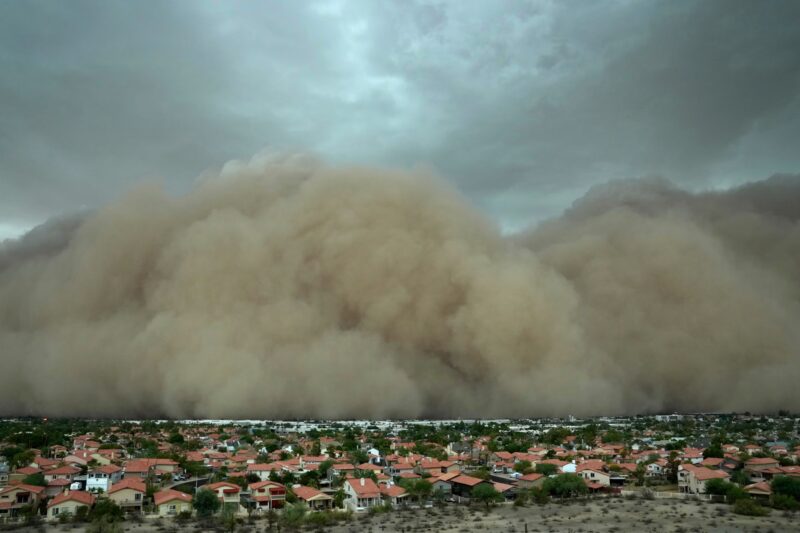
Weather exposure becomes immediate. A forecast can shift. Rain that wasn’t predicted suddenly is. What was dry plywood an hour ago is now saturated, and water has a way of finding paths through ceilings, insulation, and walls. Even a short delay in covering the structure can mean interior damage that wasn’t part of the original scope.
Foot traffic multiplies. Roofers move across surfaces that weren’t designed for constant human weight. Ladders lean against siding. Equipment gets staged on driveways. Debris falls. Nails scatter. The property transforms into an active worksite, and that comes with the kind of hazards most homeowners never think about until something goes wrong.
Materials and tools accumulate fast. Shingle bundles, nail guns, compressors, tarps, and waste bins. All of it creates new risks for anyone on the property, including contractors, neighbors, delivery drivers, or curious pets. The window between removal and replacement is when your home is most exposed and when having a contractor with proper liability coverage becomes more than a formality
Why Contractor Insurance Matters to Property Owners
Not all risks fall on the contractor, even when the contractor is the one doing the work.
When a roofer operates without adequate insurance or with coverage limits that don’t match the scale of the project, the homeowner doesn’t get insulated from liability. They get pulled into it. If a worker is injured on your property and the contractor’s coverage doesn’t apply or doesn’t cover the full cost, you may find yourself named in a claim. If falling debris damages a neighbor’s vehicle or a tool causes property damage beyond your lot line, the question of who pays becomes a legal puzzle, not a straightforward answer.
According to OSHA, roofing contractors face some of the highest workplace injury risks of any profession due to working at heights, extreme weather exposure, and the physical demands of the job. Falls account for the majority of roofing accidents, often resulting in serious injuries. Slips, trips, electrocution near power lines, and equipment-related incidents add to the risk profile. Without proper contractor liability coverage, a single job-related accident can result in medical bills and legal action that affects everyone involved.
Assumptions cause most of the disputes. Homeowners assume the contractor carries sufficient coverage. Contractors assume the homeowner understands their own policy exclusions. Neither side confirms anything until something goes wrong, and by then it’s too late to adjust. Uninsured or underinsured roofers create legal gray areas that don’t resolve themselves cleanly. They create situations where everyone involved has exposure, and where the cheapest bid often turns into the most expensive outcome.
Understanding Responsibility During Roofing Work
When something goes wrong during a roofing project, responsibility doesn’t always land where intuition suggests it should.
If a worker falls, the contractor’s workers’ compensation policy typically responds, but not always. If the contractor is operating as an independent sole proprietor without coverage, or if the injured party is a subcontractor without their own policy, the property owner’s homeowners insurance may get dragged into the claim. That’s not theoretical. It happens.
If materials blow off the roof and damage a neighbor’s property, who pays? The contractor, if their general liability policy is active and sufficient. The homeowner, if it isn’t. If a nail punctures a tire in the driveway or a tool damages siding during removal, those are contractor liability issues, but only if the contractor has the right coverage in place and the claim gets filed correctly.
Disputes emerge when assumptions replace verification. A handshake agreement feels sufficient until it isn’t. A verbal assurance about insurance feels like enough until a claim gets denied. The time to clarify responsibility is before work begins, not after an incident occurs.
General liability insurance guards roofing businesses against lawsuits when someone suffers an injury or property damage occurs during work. It covers medical bills, repairs, and legal fees that arise from accidents at job sites. Workers’ compensation ensures that if a work-related accident happens, it covers employees’ medical expenses and lost wages while helping contractors comply with state regulations. Verifying a roofer’s insurance coverage before signing a contract protects both parties. Asking for certificates of insurance from providers like Contractors Liability confirms that the coverage exists and meets the project’s needs.
Red Flags When Hiring Roofing Contractors
After storm damage, it’s common for homeowners to be approached by roofing contractors offering quick fixes or deals that sound too good to be true. Unfortunately, not all contractors have your best interests in mind. Watch for red flags such as unsolicited door-to-door offers, extremely low estimates, or requests for large payments upfront before any work begins.
A reputable roofing contractor will always provide a detailed written estimate, carry proper licensing and insurance, and be transparent about their credentials. They should be able to provide current certificates of insurance that demonstrate adequate coverage limits for both general liability and workers’ compensation. Before signing any contract, take the time to verify the contractor’s reputation by checking online reviews, asking for references, and confirming their insurance coverage. Contractors who work with established insurance providers like Contractors Liability typically maintain the coverage standards that protect both their business and their clients.

Insurance as Part of Smart Project Planning
Roofing choices extend beyond shingle type and color. They include timelines, safety protocols, and the coverage that protects everyone involved.
Professionals treat insurance as infrastructure. It’s not an afterthought or a checkbox. It’s part of the foundation that allows a project to move forward without leaving gaps in protection. Contractors who carry appropriate general liability and workers’ compensation aren’t just protecting themselves. They’re protecting the homeowner from becoming a secondary defendant in a claim that should never have involved them in the first place.
Smart project planning includes verifying coverage before signing a contract. That means asking for certificates of insurance, confirming policy limits, and understanding what happens if something goes wrong. It means choosing contractors who treat insurance as a standard cost of doing business, not an optional expense they try to avoid to keep their bid low.
For roofing contractors, specialized coverage matters. Standard policies may not account for risks specific to roofing work, like damage caused by weather as a result of open roofs or additional exposures from torch-down roofing methods. Tailored policies designed specifically for roofing operations provide more accurate protection than generic options. Companies like
Contractors Liability work with roofing businesses across all 50 states to create insurance packages that address industry-specific risks, offering coverage from top-rated insurers like USLI, Tokio Marine, Shield, and Rockingham. These specialized programs help contractors maintain the protection their clients expect to see.
Understanding your own homeowners policy is equally important. What does it cover during construction? What exclusions apply when contractors are working on your property? Does your policy’s liability section extend to injuries or damages that occur during a roof replacement? Most homeowners never ask those questions until a claim is filed, and by then the answers matter in ways they didn’t anticipate.
After the Roof Is Complete
Once the new roof is installed and the crew has left, the risk profile of your property changes.
A new roof often improves insurability. It reduces the likelihood of weather-related claims. It can lower premiums or make coverage easier to obtain if your previous roof was aging out of eligibility windows. Some insurers require documentation of the upgrade, including photos, permits, or receipts before they’ll adjust coverage or pricing.
Updating your homeowners policy to reflect the improvement protects you if a future claim arises. It ensures that the replacement cost value of your home reflects the actual condition of the property, not an outdated assessment based on a roof that no longer exists.
Documenting the work matters for more than insurance. It creates a record of when the roof was replaced, what materials were used, and whether permits were pulled. That information has value if you sell the property, if you file a warranty claim, or if a future storm causes damage and you need to demonstrate that the roof was installed correctly.
Roofing Upgrades Succeed When Risk Is Acknowledged
A roof replacement is one of the most significant projects a homeowner will undertake. It’s expensive, disruptive, and temporarily destabilizing. It also has the potential to go wrong in ways that affect not just the structure, but the people working on it, the neighbors around it, and the financial liability of everyone involved.
Planning protects both property and people. It means choosing contractors who carry appropriate coverage, verifying that coverage before work begins, and understanding your own policy’s limitations during construction. It means treating contractor liability coverage as part of the project cost, not an unnecessary expense. When contractors partner with specialized insurance providers like Contractors Liability, it demonstrates a commitment to maintaining proper protection standards throughout every project.
Thoughtful preparation avoids costly surprises. It reduces the chance that a roofing upgrade becomes a legal dispute, an insurance nightmare, or a financial burden that extends long after the last shingle is nailed down.