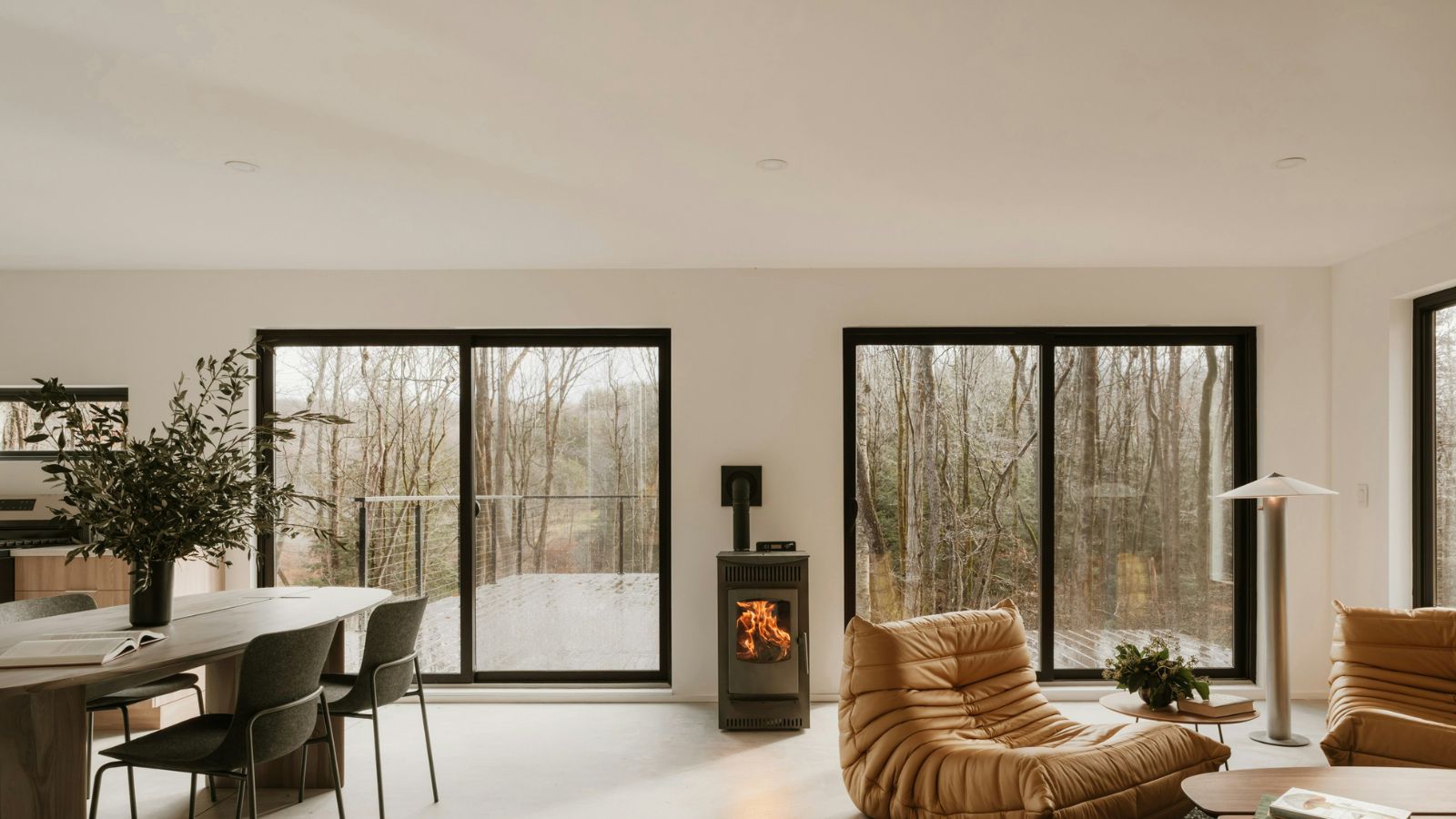
Owning a home in San Jose comes with a particular kind of pressure that homeowners in most other parts of the country do not face to the same degree. Space is expensive, the housing market moves at its own pace, and the decision between staying in your current home and moving to something larger involves tradeoffs that are rarely straightforward. For many families in the area, the question is not really whether they need more space. It is whether expanding the home they already own makes more sense than selling and buying something bigger.
That question leads a lot of San Jose homeowners toward seriously exploring home additions in San Jose for the first time, often after years of assuming that a move was the only realistic path forward. What they tend to discover is that a well-planned addition can solve the space problem without the transaction costs, disruption, and uncertainty that come with buying in one of the most competitive real estate markets in the country.
This article is for homeowners who are genuinely weighing that decision and want to understand what a home addition project actually involves before committing to anything.
What a Home Addition Actually Is
The term home addition covers a fairly wide range of project types, and understanding the distinctions matters because different addition types have different cost profiles, permitting requirements, timelines, and implications for the existing structure.
The most common type is a room addition, where a new room is built onto the ground-level footprint of the house. This might be a new bedroom, a larger family room, a dedicated home office, or an expanded kitchen. Ground-level additions require excavation and foundation work, which represents a significant portion of the overall cost, but they are generally the most structurally straightforward type of addition to plan and execute.
Second-story additions are more complex because they involve placing new living space above existing structure. The walls, foundation, and framing must be assessed to determine whether they can support the added load, and in many cases reinforcement work is needed before the vertical expansion can proceed. Second-story additions are particularly valuable in San Jose because they add significant square footage without requiring any additional ground footprint, which matters on lots where setback requirements restrict outward expansion.
Bump-outs are smaller targeted expansions that extend a specific room by a modest amount, typically less than ten feet. They are less disruptive and less expensive than full additions, and they can make a meaningful functional difference in a kitchen, bathroom, or bedroom without the complexity and cost of a larger project.
Accessory dwelling units, commonly called ADUs, have grown significantly in California following state law changes that simplified the permitting process. An ADU is a self-contained living unit on the same property as the primary residence, functioning as housing for a family member, a rental unit, or a guest suite. ADUs are often built as detached structures in the backyard, but they can also be attached to the primary home or created by converting an existing garage. In San Jose specifically, ADUs have become a popular strategy for homeowners who want to increase their property’s functionality and generate rental income without undertaking a full structural addition.
Understanding the Permit Process in San Jose
One of the aspects of home addition projects that surprises homeowners most is how involved the permitting process can be. In San Jose and throughout Santa Clara County, any addition that adds square footage requires permits from the city building department, and the plans must be reviewed for compliance with zoning requirements, setback rules, height restrictions, and California building codes.
The permitting process is not simply administrative paperwork. It is how the city verifies that structural engineering is sound, that electrical and plumbing work meets code, and that the finished project will be safe and legal. Skipping permits, which some homeowners consider to save time or money, creates serious problems at the point of sale because unpermitted additions must be disclosed to buyers and often brought into compliance before a transaction can close.
Working with a contractor who handles permitting on your behalf is one of the most practical advantages of using an experienced general contractor for a home addition project. The permit timeline in San Jose can range from a few weeks for straightforward projects to several months for complex ones, and experienced contractors know how to prepare complete submissions that minimize back-and-forth with the building department and keep the overall project timeline moving.
How to Think About Budget and Timeline
Home addition costs in San Jose reflect the broader construction cost environment in the Bay Area, which is among the highest in the country. Material costs, labor rates, and subcontractor pricing trend significantly higher than national averages, and any estimate using national figures as a baseline will likely underestimate what a project will actually cost here.
The most reliable way to establish a realistic budget is to engage a contractor early and get a detailed estimate based on the actual scope of your project. A contractor who provides a cost breakdown rather than a single lump-sum figure gives you information you can actually evaluate, compare, and use to make decisions about scope and finishes.
Timeline expectations matter just as much as budget. A room addition of moderate size, from design through permitting and construction to final inspection, typically takes between four and nine months depending on scope and permitting timelines. Larger or more complex projects take longer. Planning around an aggressive timeline that does not account for permit review periods or material lead times creates stress without producing better outcomes.
What to Look for in a Contractor
The contractor relationship is central to whether a home addition project goes well, and the selection decision deserves serious thought. California requires general contractors to be licensed through the Contractors State License Board, and verifying a current, valid license is a basic step that should not be skipped.
Beyond licensing, experience with the specific type of addition you are planning matters considerably. A contractor who has completed numerous room additions, second-story projects, and ADU builds in San Jose has already navigated the structural, permitting, and construction challenges specific to this market. That accumulated experience translates into fewer surprises, more accurate estimates, and a smoother process from start to finish.
Design-build contractors, who offer both design services and construction under a single contract, provide a streamlined path that avoids the coordination complexity of working with a separate architect and general contractor. For homeowners without an existing architectural relationship, the design-build approach simplifies the entire process and tends to produce better alignment between what was designed and what ultimately gets built.
References from previous clients on projects similar in scope to yours are worth requesting and actually following up on. A contractor with a track record of completed additional projects and satisfied clients in the San Jose area is demonstrating something that no amount of marketing language can substitute for.
Whether a home addition makes more sense than selling and moving depends on factors specific to your situation and your property. But for many San Jose homeowners who take the time to understand what the process involves, expanding the home they already own turns out to be the more practical and financially sound decision in the long run.