
A roof is more than just a cover over your head; it’s a vital component of your home that protects against the elements, ensuring the safety and comfort of your living space. Maintaining a healthy roof is crucial for the overall integrity of any home. When a roof is neglected, problems inevitably arise, leading to costly repairs. Proactive roof maintenance is key to avoiding these expensive issues. This article explores the potential risks facing your roof and how to prevent them, ensuring longevity and peace of mind.
Understanding the Impact of Weather on Your Roof
Weather conditions play a significant role in the integrity of your roof. From the harsh sun to the heavy rains, every climate condition presents its own set of challenges. Seasonal changes can be hard on roofing materials. For instance, during winter, fluctuating temperatures can cause materials to expand and contract, leading to cracks. Snow and ice pose additional problems, with the potential for ice dams forming at the roof’s edge, preventing proper drainage.
Wind can lift shingles, expose underlying materials, and result in tears. High levels of rainfall can lead to water pooling, causing leakage or rotting over time. Meanwhile, UV rays from the sun can weaken the roofing materials, making them brittle and more prone to damage.
Weatherproofing your roof is an effective strategy to mitigate these effects. Installing materials specially designed for your specific climate can make a world of difference. Choosing roofing that offers UV resistance, good drainage, and holds up well to your area’s weather patterns is imperative.
Common Roofing Materials and Their Vulnerabilities
Roofing materials vary widely, each with its own set of strengths and vulnerabilities. Asphalt shingles are popular due to their affordability and ease of installation. However, they can be prone to damage from severe weather conditions, especially high winds and hail.
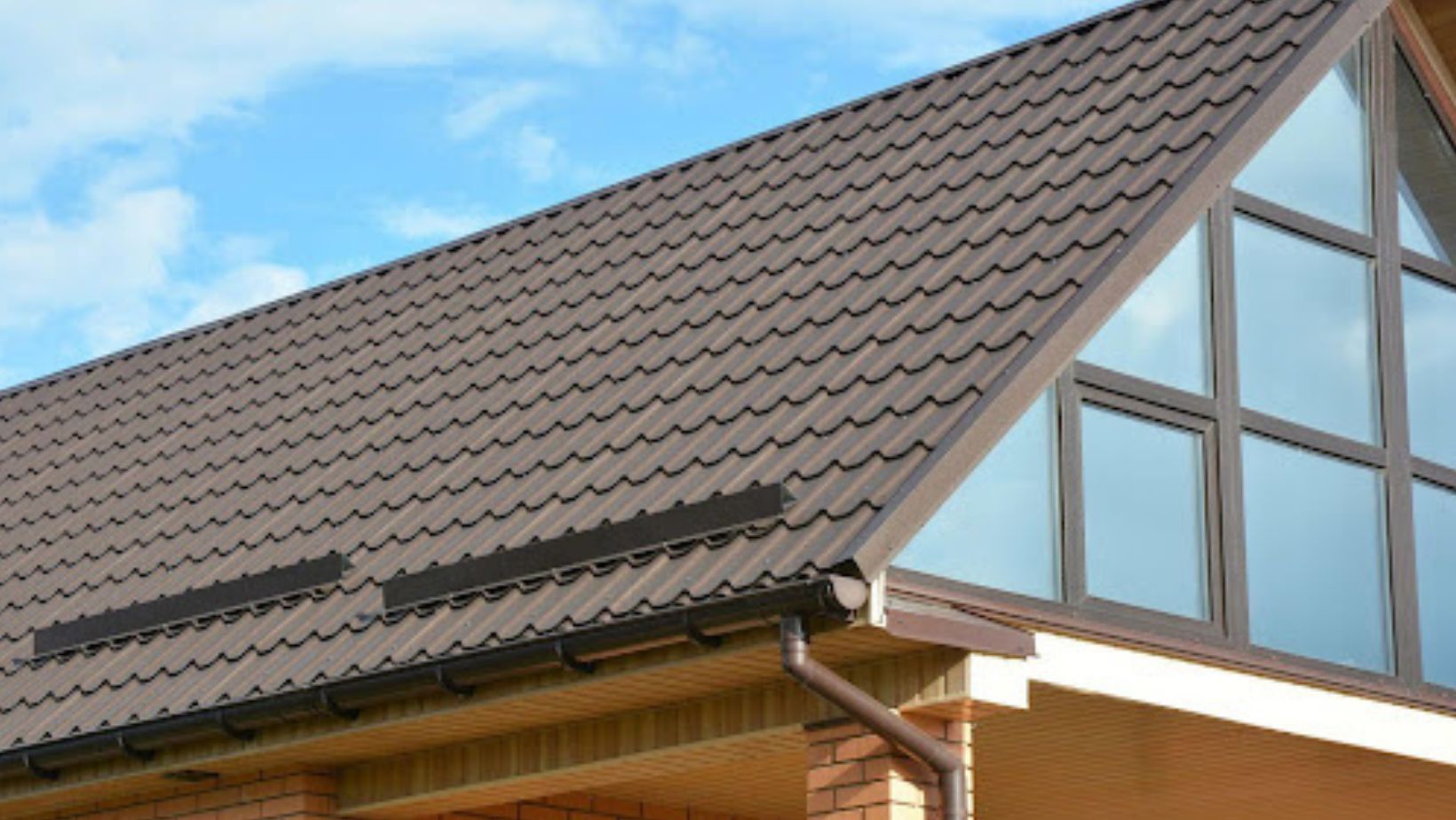
Metal roofing offers durability and energy efficiency but can be vulnerable to corrosion if not properly maintained. Tile roofs, often made of clay or concrete, are durable and fire-resistant yet may crack under the pressure of heavy impact. Shingle roofs are susceptible to algae growth, which can deteriorate the material over time.
The lifespan of these materials ranges significantly. Asphalt shingles may last 20-30 years, while metal or tile roofs might exceed 50 years. When choosing roofing materials for a new installation, consider the environmental conditions and select materials that promise durability and a long lifespan.
Regular Roof Inspections: What to Look For
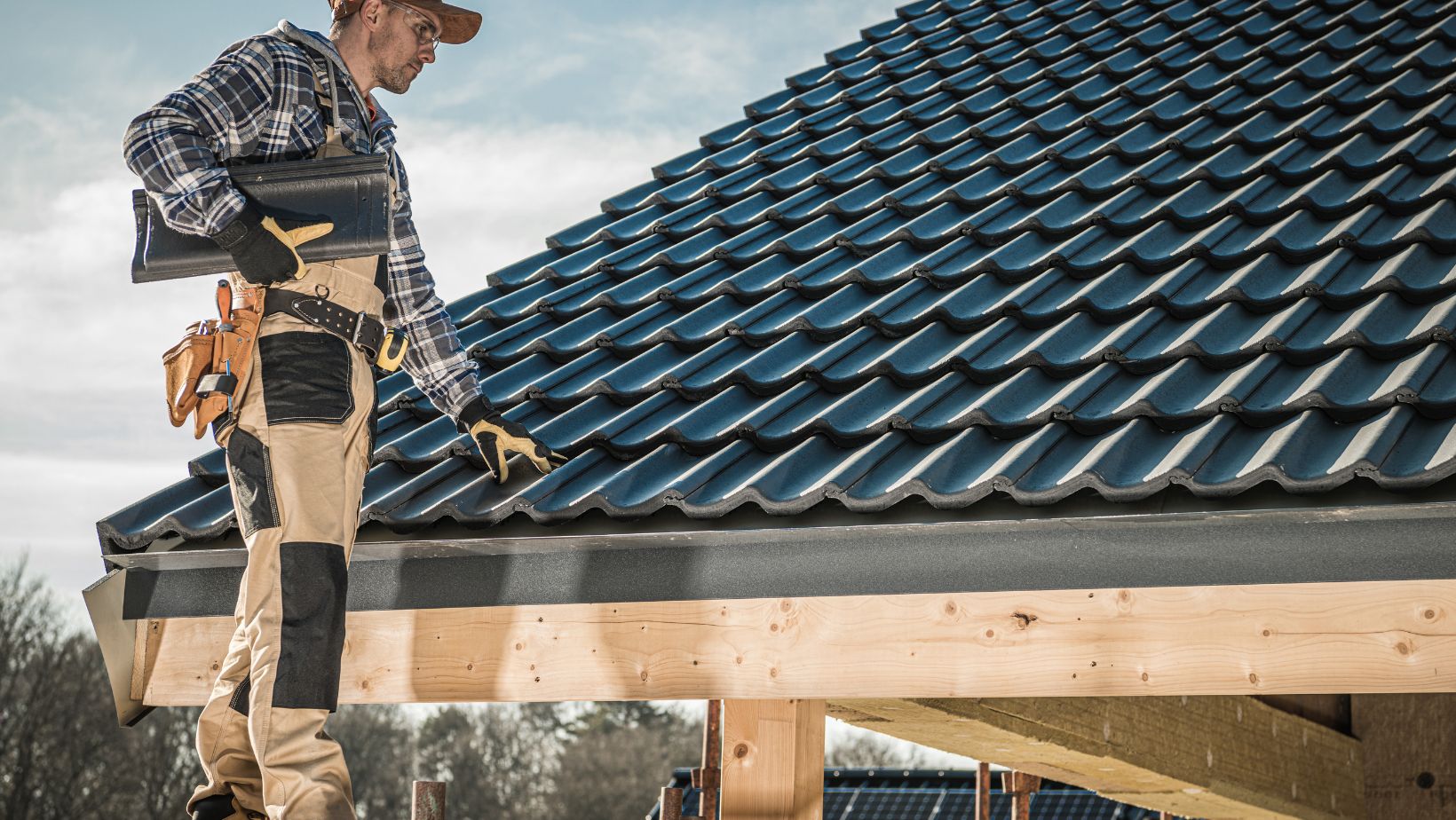
Regular roof inspections are crucial for early detection of any damage before it escalates. Signs of roof damage include leaks, mould growth, missing or curling shingles, and damaged flashing. It’s wise to conduct a self-inspection by looking for these signs, especially after a major weather event.
Here’s a simple checklist for homeowners:
1. Check for any water stains on ceilings and walls.
2. Look for signs of mould or mildew in the attic.
3. Keep an eye out for missing, cracked, or curled shingles.
4. Inspect the gutters for granules from asphalt shingles.
5. Examine the flashing around chimneys and vents for damages.
For a thorough evaluation, hiring experienced Kansas City roofing contractors is recommended. Not only can they provide detailed inspections, but they can also offer valuable maintenance advice to maximise your roof’s lifespan.
Preventative Maintenance Practices for a Long-Lasting Roof
Routine maintenance is critical to preserving roof health. Basic tasks like cleaning gutters and removing debris prevent water blockage and reduce the risk of damage from excess weight. Repairing minor issues, such as sealing cracks or replacing weathered shingles, can stop major problems from developing.
Incorporating a seasonal maintenance checklist into your home care routine is beneficial. In spring, clear gutters and inspect the roof for winter damage. Summer is the perfect time to check for sun damage and prepare for storm season. Autumn is ideal for ensuring leaves and debris are cleared before winter, while in winter, monitoring for ice dams is crucial.
Applying protective coatings can extend the life of roofing materials by adding an extra layer against the elements. These coatings increase UV and water resistance, offering an additional shield against the harsh conditions that can take a toll on the roof.
Recognising and Addressing Roof Damage in a Timely Manner
Ignoring minor roof issues is a risk that can lead to more severe problems down the track. Leaks or missing shingles left unaddressed can cause structural damage, impacting home safety and overall value. Thus, timely intervention is fundamental.
The timeline for addressing damage varies. Minor repairs, like replacing a few missing shingles, should be dealt with within a week or two to prevent exposure to further damage. For issues like small leaks, action should be taken immediately to stop water damage.
Extensive damage not only incurs higher repair costs but also diminishes the property’s market value. Homeowners should not delay in carrying out necessary repairs to maintain both safety and financial integrity. Timely restorations not only save money in the long run but also ensure the longevity and reliability of the roof over time.
Conclusion
Proactive roof maintenance is pivotal to safeguarding your home. By understanding what your roof is vulnerable to, conducting regular inspections, and implementing preventative maintenance practices, homeowners can stave off damage and prolong the life of their roofs. Remember, it’s essential to perform routine checks and consult professionals when necessary to avoid costly repairs. If you haven’t already, consider scheduling a roof inspection today to ensure that your home remains secure and sheltered for years to come.


