
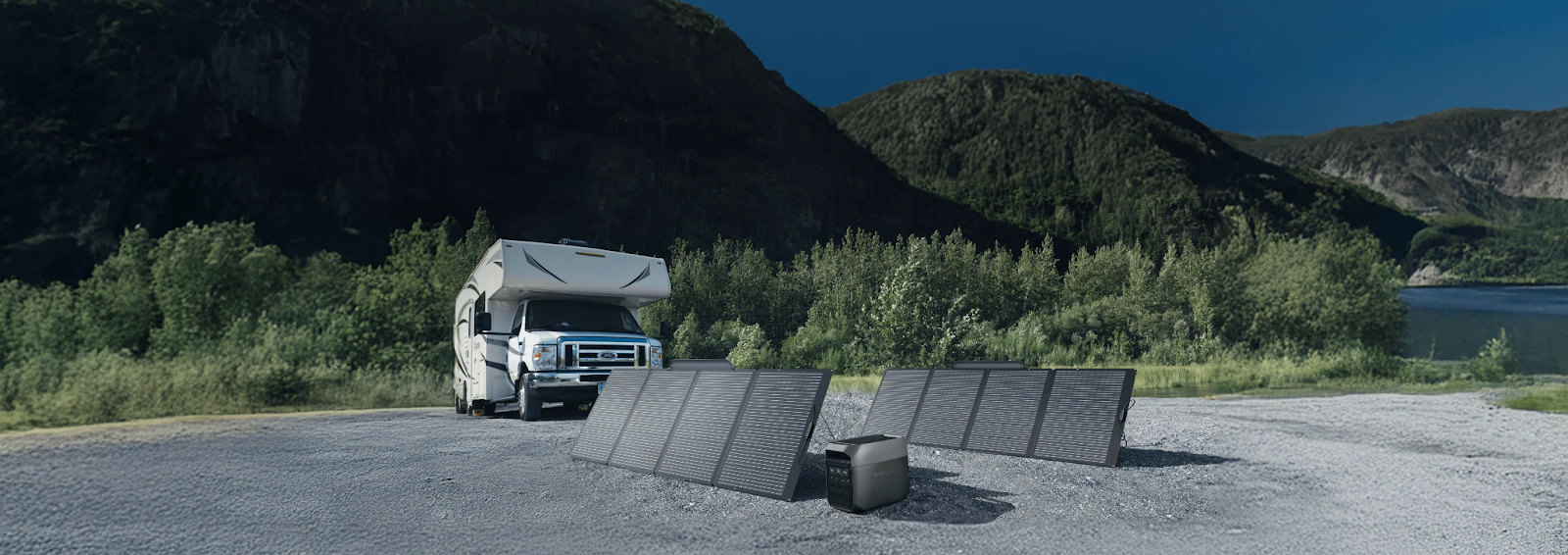
Long trips expose every weak point in an RV electrical system. When campgrounds lose power or boondocking goes long, a solar generator can keep lights, refrigeration, and connectivity running instead of forcing you into survival mode or scrambling for a noisy, fuel-hungry backup.
Think of road power as its own travel checklist. You already plan routes, food, and safety gear; electricity deserves the same attention. A solar generator turns “hope the power holds” into a deliberate plan: you know what runs, for how long, and how you will recharge between stops.
Know Your RV Power Priorities
Before buying hardware, define what really matters when the grid or campground pedestal fails. Phones, routers, lighting, and refrigeration usually sit at the top. Air conditioning and microwaves feel critical, but in many trips they are comfort extras rather than survival tools.
List everything you would want powered during a blackout: water pump, furnace blower, fans, laptop, medical equipment, and entertainment devices. Next, mark which ones you can live without for hours. A solar generator stretches much further when nonessential loads stay unplugged.
This small exercise also exposes differences between drivers and passengers. One person might view streaming video as essential; another only cares about keeping the fridge cold, the map visible, and the navigation system online.
Understanding Loads and Power Ratings
Every device on your list has a power draw, usually listed in watts or amps. A phone charger might sip twenty watts, while a coffee maker can spike above a thousand. Motors and heaters often need extra power just to start running reliably.
Inverters and house batteries already handle many of these loads. The real question is how long they last without shore power or alternator charging. A solar generator adds another battery and inverter, but you still need rough numbers before trusting it.
If you hate math, think in tiers. Small chargers and LED lights nibble at capacity, while anything that glows hot, makes ice, or spins fast eats big chunks from your available watt-hours and should be treated cautiously.
Daily Energy Budget for Life on the Road
Treat your RV like a tiny, rolling microgrid. Instead of guessing, build a daily budget based on realistic use, not marketing photos. You want numbers that reflect rainy layovers and hot nights, not only perfect days with every panel perfectly aimed.
A quick budgeting method looks like this:
- Multiply each device’s watts by the hours you expect to use it in a typical day.
- Add those watt-hours to get a rough daily total.
- Compare that total with the usable capacity of your house batteries and any solar generator you plan to carry.
This simple math exposes whether you are underpowered before you ever leave the driveway and whether a second solar generator would actually help or just add weight.
Where a Solar Generator Fits In
Once you have numbers, you can decide where a solar generator should sit in your system. Some drivers use it strictly for “critical loads” like routers, phones, and medical equipment. Others dedicate it to galley appliances so the house bank has a calmer, more predictable life.
Because a solar generator integrates battery, inverter, and charge controller, setup is simple. You plug in panels or wall power to charge, then plug devices into AC outlets or DC ports. There is less cabling risk, which appeals to travelers who dislike opening fuse panels.
Many RV owners use the built-in system for driving and overnight basics, then switch sensitive electronics to a solar generator during unstable grid conditions or noisy campground generator hours.
Combining Shore Power, Engine Power, and Batteries
On most trips, you will use a mix of shore power, alternator charging, and solar input. The goal is not to replace any source but to coordinate them. Shore power handles heavy loads, while alternator charging covers long hours on the highway.
A solar generator and panels quietly fill gaps between those sources. It can top off laptops, cameras, and router batteries on travel days, then shift to refrigeration or fans at night. Because it runs independently from the RV’s main system, it also offers redundancy and another meter to watch.
Think of it as a floating, flexible bank you can move between the rig interior, picnic table, and tow vehicle, depending on where you most need power that day.
Weather, Climate, and Charging Strategy
Power planning on paper often assumes perfect sun, but real trips do not. Cloud cover, tree shade, and steep canyons limit how much solar energy reaches panels. Cold temperatures help batteries, while extreme heat reduces capacity and stresses electronics over time.
A solar generator lets you adapt faster. When the roof array is shaded, you can reposition portable panels or temporarily charge from a campground outlet without rewiring anything. On travel days, you might top it up from the engine alternator using a vehicle outlet.

In hot climates, park for shade and treat your portable solar generator like another piece of outdoor gear: move it into the sun while the RV itself stays cool and comfortable for the people inside.
Safety, Wiring, and Power Etiquette
Any time you mix new hardware into an RV, you should review safety basics. Avoid daisy-chaining power strips, overloading outlets, or running high-amperage cords where people step. A solar generator reduces wiring complexity but does not remove the need for good habits.
If you connect it to an existing RV circuit, follow professional guidance and never backfeed campground pedestals or home outlets. The safest approach is usually direct connection: plug devices straight into the ports on the solar generator whenever possible.
Campground etiquette matters too. A quiet solar generator may spare neighbors from engine noise, but bright lights and late-night work setups can still disturb people. Power planning should include community awareness, not just watt-hours.
Overview and Adjust After Every Trip
Your first plan will not be perfect. After each journey, take ten minutes to compare expectations with reality. Maybe the fridge cycled less than expected, or streaming used more power than you budgeted. Your solar generator logs and battery displays hold useful clues.
Write down what failed, what worked, and where you felt limited. Perhaps a single solar generator carried essentials easily, but you still ran short when weather stayed cloudy. That feedback shapes whether you add panels, change habits, or shift certain loads back to shore power.
Over a season, these notes turn into a personalized playbook for your RV, tailored to your routes, climate, and tolerance for risk.
Simple Checklists Before You Hit the Road
A small routine keeps electrical surprises from ruining long trips. Treat power checks like tire checks or fluid checks: short, repeatable, and written where everyone can find them when packing the RV, not buried deep in a forgotten notebook.
Before departure, run through this list:
- Test your house batteries and any solar generator for basic health and charge level before you leave.
- Confirm cables, adapters, and panels are packed where you can reach them quickly.
- Revisit your priority load list and remove devices you no longer really need.
When you arrive at a new site, add a second list: confirm pedestal wiring with a tester, note sun exposure for panels, and agree with passengers about what belongs on backup power if the grid goes dark or the campground generator schedule changes.